Managing Spring Allergies With Braces: Tips From Elevated Ortho

Reduce Discomfort And Protect Your Smile During Allergy Season
Table Of Contents
Introduction
Meet Dr. Montano
How Spring Allergies Can Affect Braces And Aligners
Why Dry Mouth Matters During Allergy Season
Can Sinus Congestion Make Your Teeth Hurt?
How Spring Allergies Can Affect Your Gums
Braces Tips For Spring Allergy Season
Clear Aligner Tips For Allergy Season
Our Top Picks For Staying Comfortable This Spring
When To Call Elevated Ortho
Why Families Choose Elevated Ortho
Conclusion
Frequently Asked Questions
Introduction
Spring in Bakersfield can be beautiful, but it can also bring a long list of seasonal frustrations. If you deal with sneezing, congestion, itchy eyes, postnasal drip, or sinus pressure every year, you already know how draining allergy season can feel. When you add braces or clear aligners to the mix, those symptoms can make your mouth feel more sensitive, your teeth feel more tender, and your daily orthodontic routine a little harder to manage. The good news is that spring allergies usually do not stop treatment. Most of the time, they just mean your smile needs a little extra support. Seasonal allergies can cause congestion, sneezing, fatigue, and sinus pressure, all of which can make daily life more uncomfortable when you are already adapting to braces or aligners.
At Elevated Ortho, we help patients throughout Bakersfield protect their smiles in every season. With Dr. Don Montano, braces, Invisalign®, and free consultations, we are here to make orthodontic care feel simpler, more comfortable, and more personal. With over 35 years of orthodontic experience, more than 15,000 smiles elevated, and recognition as the only top-tier Invisalign provider in Bakersfield, we are proud to help patients feel confident in both their treatment and their results.
In this guide, we will walk through what spring allergies can do to your mouth, why things like dry mouth and sinus congestion matter more than people realize, and how to keep your braces or clear trays comfortable while staying on track with treatment. If you have ever wondered why your mouth feels different during allergy season, or why your upper teeth sometimes ache when your sinuses flare up, you are not imagining it. There are real reasons behind those symptoms, and there are practical ways to manage them.
Meet Dr. Montano
At the center of our practice is Dr. Don Montano, who has been in the exclusive practice of orthodontics since 1987 and has cared for Bakersfield smiles since 1988. His training includes a biology degree from University of California, Riverside, dental training at University of California, San Francisco, and specialty orthodontic education at the University of Washington. He has built a practice centered on customized, state-of-the-art care and a genuinely supportive patient experience.
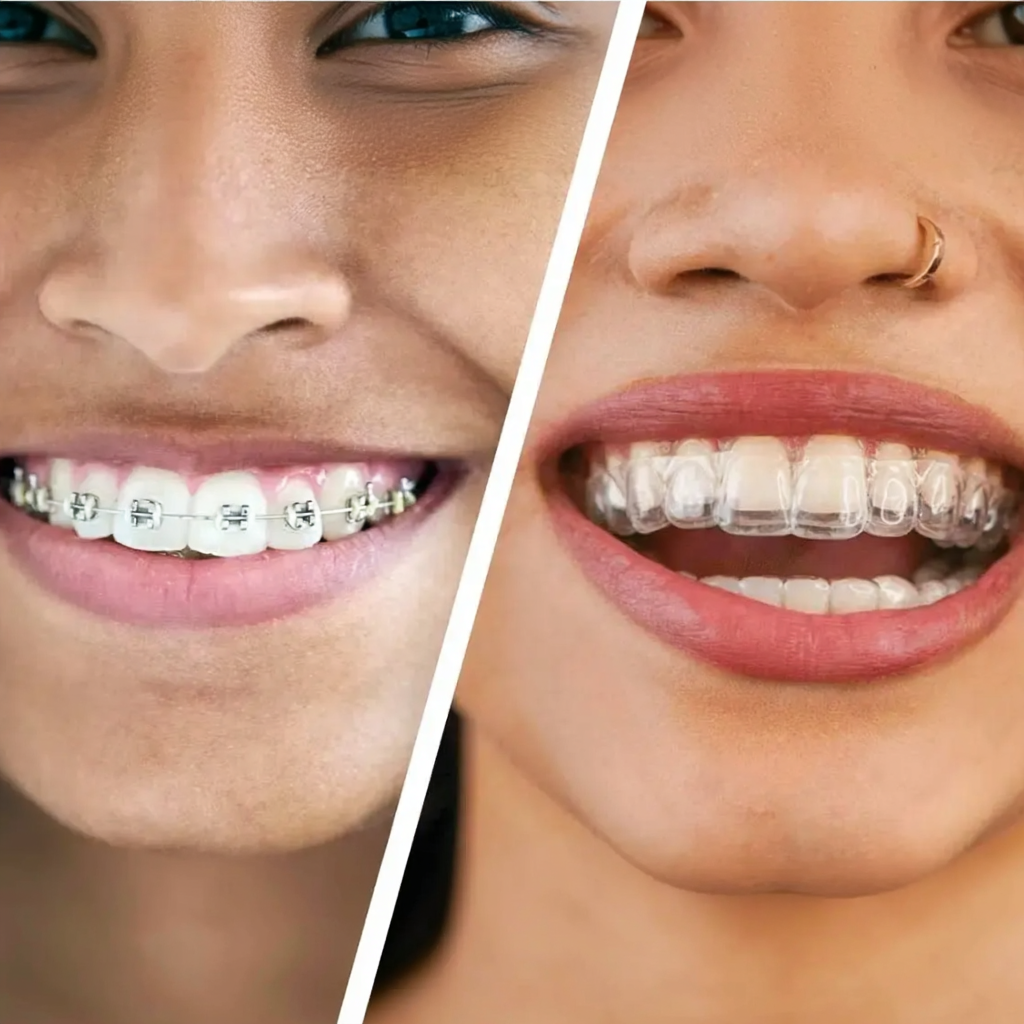
At Elevated Ortho, we offer both metal and clear ceramic braces, as well as Invisalign clear aligners, so patients can choose the treatment that best fits their needs and lifestyle. That kind of flexibility matters during every season, but especially in spring, when comfort and routine can become a little more complicated because of allergies. We want patients to know that even when seasonal symptoms show up, there are still very practical ways to protect orthodontic health and keep treatment moving in the right direction.
How Spring Allergies Can Affect Braces And Aligners
Spring allergies do not usually damage braces or aligners directly, but they can absolutely make treatment feel more noticeable. Nasal congestion often leads to more mouth breathing. Allergy medications can dry out the mouth. Sinus inflammation can create pressure that feels like tooth soreness. Fatigue and discomfort can also make patients less motivated to stay on top of brushing, rinsing, or aligner cleaning. The Mayo Clinic explains that hay fever commonly causes congestion, sneezing, postnasal drip, and tiredness, while the Cleveland Clinic notes that mouth breathing is commonly linked to nasal congestion and can lead to dry mouth and bad breath.
In orthodontics, small changes in the mouth can feel bigger because you are already more aware of your teeth and gums. If you wear braces, a dry mouth can make brackets and wires feel more irritating than usual. If you wear clear trays, dry tissues can make the aligners feel more obvious, and congestion can make patients more tempted to leave trays out longer than they should. That does not mean anything is wrong with your treatment. It usually means allergy season is creating extra stress in the mouth, and your routine needs a little adjusting.
That is why we encourage patients not to dismiss seasonal discomfort. Spring allergy symptoms can affect how your mouth feels day to day, and recognizing that early helps you respond wisely instead of just pushing through it. In many cases, a few simple changes can make a big difference.
Why Dry Mouth Matters During Allergy Season
Dry mouth is one of the biggest reasons allergy season feels harder for orthodontic patients. Saliva does much more than keep your mouth comfortable. It helps wash away food debris, balance acids, and protect your teeth and gums. When your mouth stays dry, plaque builds more easily, tissues become more irritated, and the risk of tooth decay and gum problems can rise. The Mayo Clinic’s dry mouth guide explains that not having enough saliva can lead to increased plaque, tooth decay, and gum disease.
This matters even more if you are wearing braces. The American Association of Orthodontists explains that braces create extra hard-to-reach spaces where food, plaque, and bacteria like to hide, which means patients need to be more diligent with oral hygiene during treatment. If your mouth is also dry because of allergies, antihistamines, decongestants, or mouth breathing, the challenge gets bigger. The Mayo Clinic also notes that antihistamines and decongestants can make dry mouth worse, and its broader dry mouth reference explains that mouth breathing can contribute to it.
Signs that dry mouth may be affecting your orthodontic comfort include:
- Sticky or dry feeling inside the mouth
- More noticeable bad breath
- Cracked lips
- Tender cheeks or tongue
- More plaque collecting around brackets
- A stronger urge to sip water often
- Trays that feel more irritating against dry tissues
If you notice those patterns, do not ignore them. Dry mouth is one of the most manageable allergy-season issues once you realize what is happening. We recommend sipping water regularly, breathing through your nose when possible, avoiding alcohol-based mouthwashes, and adding moisture to the air at night with a room humidifier.
Can Sinus Congestion Make Your Teeth Hurt?
Yes, it can. This is one of the most common spring complaints we hear from orthodontic patients, and it often surprises them. The roots of the upper back teeth sit close to the maxillary sinuses, so when those sinuses become inflamed or congested, the pressure can radiate into the upper teeth and feel like soreness or aching. The Mayo Clinic explains that sinusitis can cause tooth pain, especially in the upper back teeth, because of how closely those teeth sit to the sinus cavity.
That can be especially confusing if you are already in braces or clear aligners, because orthodontic treatment also creates pressure. Sometimes patients are not sure whether they are feeling normal tooth movement, allergy-related sinus pressure, or something else entirely. A few clues can help. Sinus-related discomfort often shows up with congestion, facial pressure, or a stuffy nose and tends to be felt more in the upper molars rather than in just one isolated tooth.
The good news is that sinus pressure does not automatically mean there is a problem with your braces or aligners. But it is still important to pay attention. If the pain feels sharp, one-sided, or persists after your allergy symptoms calm down, it is worth letting us know so we can help you sort out whether it is sinus-related, orthodontic, or something that needs dental attention.
How Spring Allergies Can Affect Your Gums
Spring allergies can also affect your gums more than many people realize. When congestion leads to mouth breathing and allergy medication leads to dryness, your gums may become more irritated and more sensitive. If plaque is also building up more easily around brackets or along the gumline, that irritation can turn into swelling, tenderness, or bleeding. The Mayo Clinic notes that dry mouth can contribute to gum disease risk, and the AAO emphasizes that plaque control becomes especially important during orthodontic treatment because braces create more places for buildup.
For braces patients, swollen gums can make brushing feel less comfortable, which sometimes causes people to brush less thoroughly. That creates a cycle we want to avoid. For aligner patients, irritated gum tissue can make trays feel more noticeable and can tempt people to leave them out longer than directed. Either way, the answer is not to back off on hygiene. The answer is to be more intentional, more gentle, and more consistent.
If your gums look puffier than usual during allergy season, take it as a signal to tighten up your routine. Rinse with water more often, keep brushing thoroughly, and let us know if the swelling lingers or gets worse. Small changes are much easier to address early than after irritation has had time to build.
Braces Tips For Spring Allergy Season
If you are wearing braces, these spring habits can help protect your comfort and your smile:
Stay hydrated
Sip water regularly when dry mouth is a problem. Water helps rinse away debris, supports comfort, and can reduce that sticky, dry feeling that makes braces more irritating.
Brush more intentionally
Brush multiple times a day. During allergy season, brushing matters even more because plaque can build faster in a dry mouth.
Rinse after sugary drinks or snacks
Rinse with water after sugary beverages. If your mouth is already dry from allergies, that simple habit becomes even more helpful.
Use a humidifier at night
If congestion makes you sleep with your mouth open, try adding moisture to the air at night with a room humidifier. That can make mornings much more comfortable.
Do not ignore broken brackets or sore spots
Call us if something feels broken or loose. Allergy season can make your mouth more sensitive, so staying proactive matters.
Clear Aligner Tips For Allergy Season
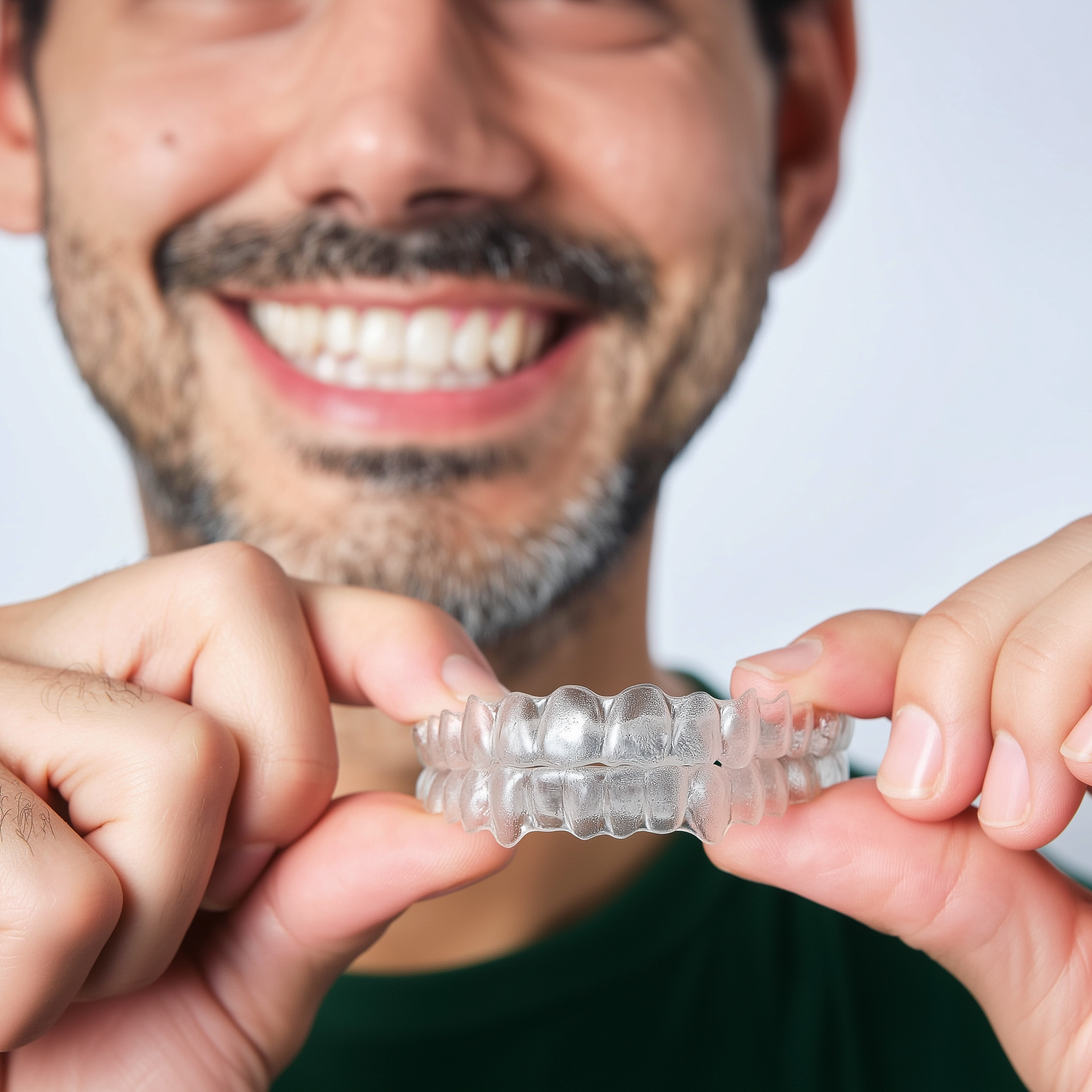
If you wear Invisalign or other clear trays, spring allergies can still affect comfort and oral hygiene. Here are a few habits that help:
Keep trays clean every day
A dry mouth and aligners are not a great combination if tray care slips. Clean trays consistently and rinse them before putting them back in so allergens, saliva film, and buildup do not sit against your teeth longer than they should.
Brush before reinserting trays
Because aligners fit closely over the teeth, anything left behind can stay trapped against enamel. That is one reason we encourage patients to brush before putting trays back in whenever possible. Aligner wear requires consistent responsibility, not just convenience.
Wear trays as directed
Congestion or dry tissues can make aligners feel more noticeable, but treatment still depends on consistent wear. If discomfort is making you want to leave trays out more often, tell us so we can help.
Focus on nose breathing when possible
The Mayo Clinic recommends breathing through your nose, not your mouth, when dry mouth is an issue. Even small improvements there can help your overall comfort.
Our Top Picks For Staying Comfortable This Spring
If we had to narrow it down to the most useful spring allergy orthodontic tips, these would be our top picks:
- Drink water all day
- Keep brushing and rinsing consistent
- Clean aligners carefully
- Use a humidifier if you wake up dry
- Pay attention to sinus-related tooth pressure
- Watch for puffy or irritated gums
- Reach out early if something feels off
Spring allergies may be seasonal, but the habits that protect your smile are worth keeping year-round. When your routine stays strong, your treatment usually stays smoother too.
When To Call Elevated Ortho
Most allergy-season discomfort can be managed at home, but there are times when we would rather hear from you sooner than later. Please contact us if:
- Your teeth feel unusually sore in one area for several days
- Your gums stay swollen or bleed often
- Your mouth feels extremely dry for an extended period
- A bracket or wire is rubbing already irritated tissue
- Your trays suddenly feel much more uncomfortable than usual
- You are unsure whether discomfort is from treatment or from allergies
At Elevated Ortho, we want spring allergies to stay a temporary inconvenience, not become a reason your treatment feels harder than it needs to. We are here to help you sort out what is normal, what needs a simple adjustment, and what is worth a closer look.
Why Families Choose Elevated Ortho
Families choose Elevated Ortho because they want more than an appliance. They want a plan, a trusted orthodontist in Bakersfield, and a team that makes the process feel personal from beginning to end. With Dr. Don Montano, over 35 years of orthodontic experience, flexible payment options, in-person and virtual consultations, and treatment choices that include braces and Invisalign, we are here to help patients move toward healthier, more confident smiles in a way that feels manageable.
We also know that comfort matters. That is why even a topic like spring allergy discomfort deserves real attention. If your mouth feels drier, your gums feel more sensitive, or your sinuses are making your teeth ache, we want you to know you are not alone and you are not overreacting. Orthodontic treatment should fit real life, including the seasons that make life feel a little harder.
Conclusion
Spring allergies can make braces and clear aligners feel more noticeable, but they do not have to knock your treatment off course. When you understand how congestion, dry mouth, mouth breathing, and sinus pressure affect your smile, it becomes much easier to protect your comfort and stay on track. Simple habits like drinking more water, cleaning carefully, rinsing often, and reaching out early when something feels unusual can make a real difference.
At Elevated Ortho, we are here to help you stay comfortable and keep moving toward a smile you love. If spring allergies are making your braces, aligners, or gums feel more difficult to manage, call or text us at 661-665-7600 or visit us at 1010 Calloway Drive, Suite 200A, Bakersfield, CA 93312. We would love to help you find the cause, make a few smart adjustments, and keep your smile elevated this season.
Frequently Asked Questions
Can seasonal allergies make my braces feel worse?
Yes. Seasonal allergies can lead to congestion, mouth breathing, sinus pressure, and dry mouth, all of which can make braces feel more noticeable or uncomfortable.
Can sinus congestion make my teeth hurt?
Yes. Sinus inflammation can cause pain in the upper back teeth because those teeth sit close to the sinus cavity.
Why do allergy medicines make my mouth feel dry?
Some antihistamines and decongestants can worsen dry mouth, which is one reason allergy season can feel harder on orthodontic patients.
Can dry mouth affect my orthodontic health?
Yes. Less saliva can increase plaque buildup and raise the risk of tooth decay and gum irritation, which matters even more when you have braces or clear aligners.
Should I stop wearing my aligners if allergy season makes my mouth sore?
Usually no. Keep wearing them as directed unless we tell you otherwise. If the soreness feels unusual or suddenly gets worse, let us know so we can help you figure out whether the issue is dryness, sinus pressure, gum irritation, or a poor tray fit.
What helps most during spring allergy season with braces?
The biggest helps are staying hydrated, brushing carefully, rinsing often, using a humidifier if you sleep with your mouth open, and reaching out if symptoms do not improve.
Share Post
Montano Elevated Ortho Blog