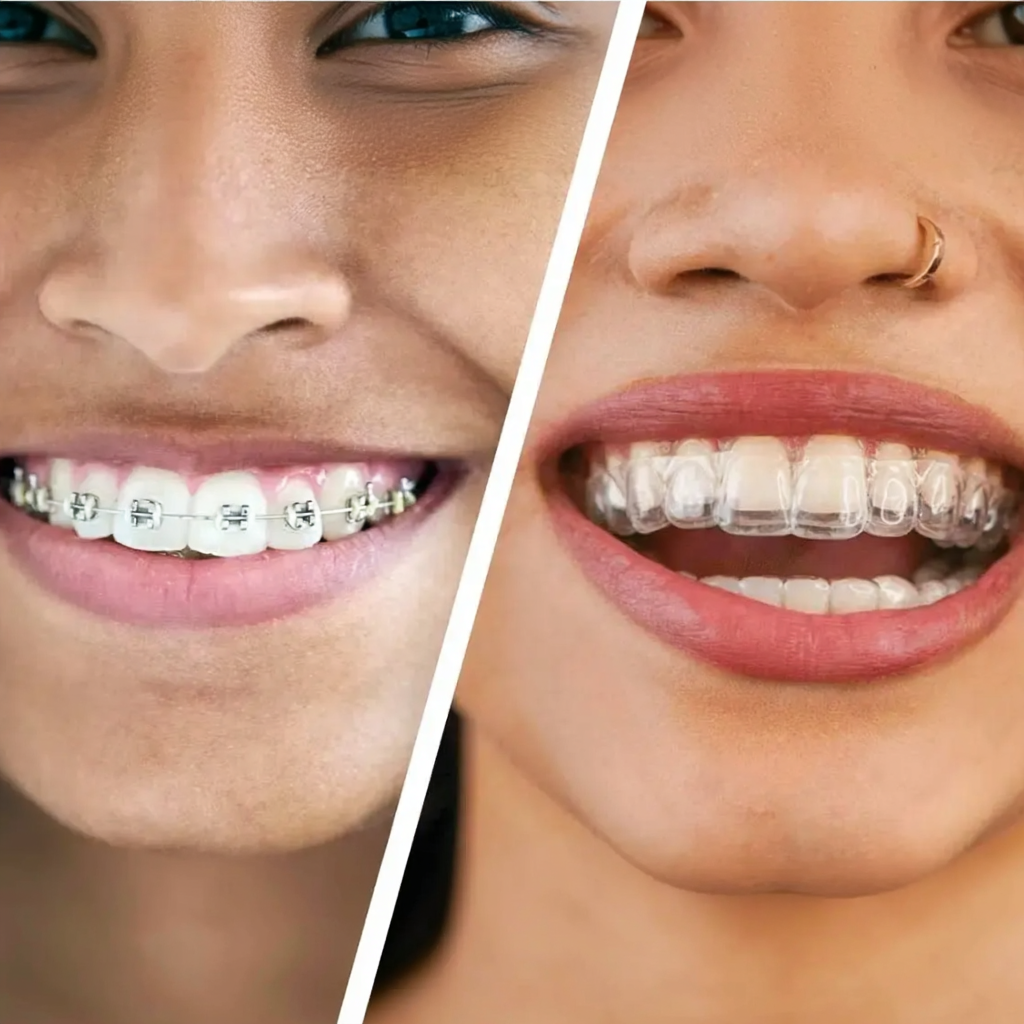
Does Invisalign® Cause Black Triangles? Elevated Orthodontics Explains the Truth
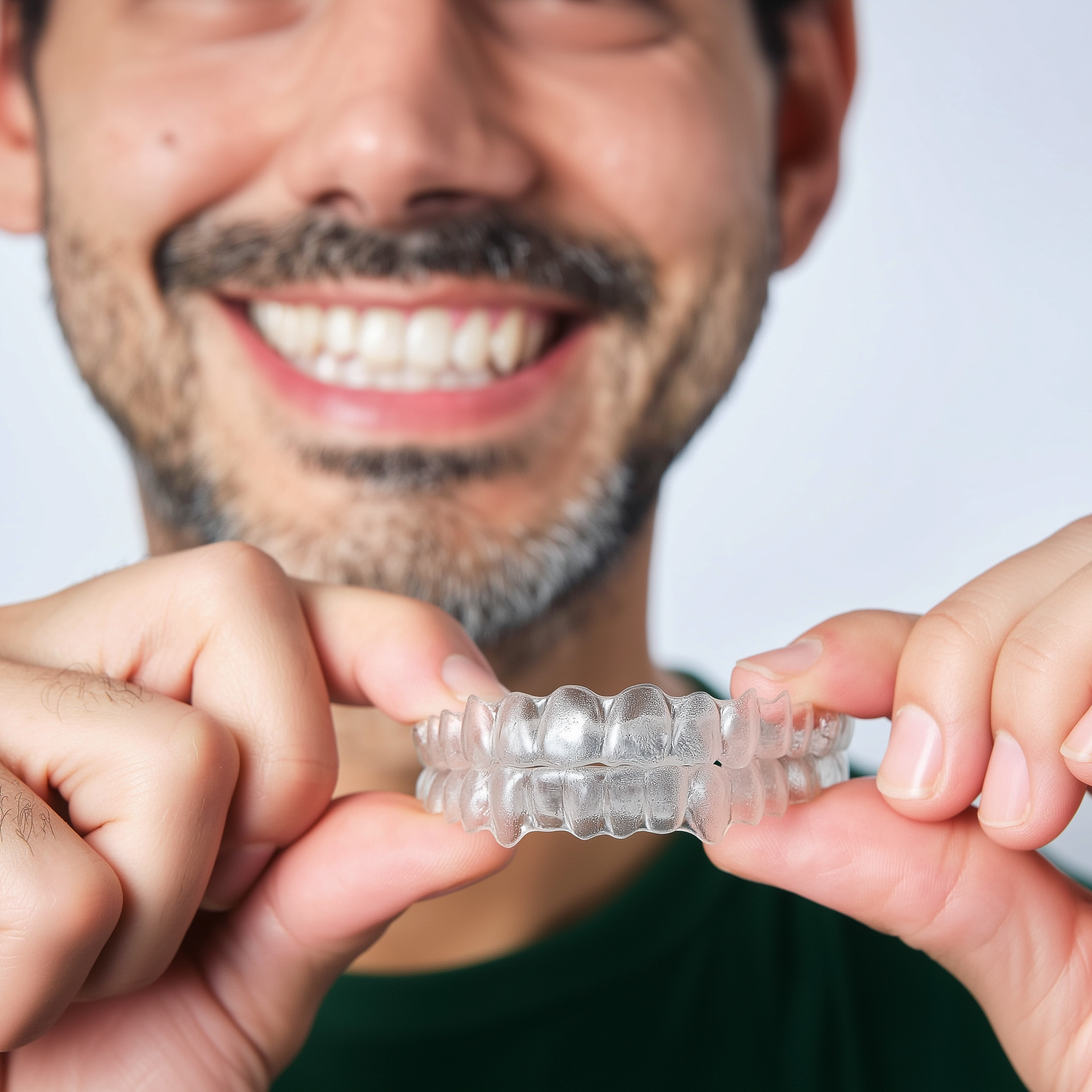
Learn why aligners reveal natural tooth shapes and how orthodontists manage spacing during treatment.
Table of Contents
- Introduction
- Meet Dr. Don Montano
- What Are Black Triangles?
- Does Invisalign Actually Cause Black Triangles?
- Why Black Triangles Appear During Orthodontic Treatment
- How We Plan For and Prevent Black Triangles
- Treatment Options for Black Triangles
- What Your Invisalign Journey Looks Like at Elevated Ortho
- Why Choose Elevated Ortho in Bakersfield
- Conclusion
- Frequently Asked Questions
Introduction
If you have been researching Invisalign online, you may have come across a concern that stops many patients in their tracks: black triangles. These small, dark triangular spaces that appear between teeth near the gumline are one of the most common questions we hear at Elevated Ortho, and we want to give you a straight, honest answer.
At Elevated Ortho, our team has been helping patients throughout Bakersfield, California, achieve confident, healthy smiles for over 35 years. Under the care of Dr. Don Montano, we have built a reputation as the trusted orthodontist in Bakersfield for patients who want results they can count on. With more than 1,050 five-star Google reviews and a genuine commitment to personalized care, our mission is simple: Elevate Your Smile.
Black triangles are a real concern in orthodontic care, and there is a lot of misinformation circulating online. The good news? When your treatment is planned and managed by an experienced orthodontist, black triangles can be anticipated, minimized, and often successfully treated.
In this blog, we are breaking down exactly what black triangles are, why they sometimes appear during or after orthodontic treatment, and what we do at Elevated Ortho to protect your smile at every step.
Meet Dr. Don Montano
Dr. Don Montano is the heart of Elevated Ortho and one of Bakersfield's most trusted orthodontic specialists. With over 35 years of focused experience, Dr. Montano has helped thousands of patients achieve beautifully aligned smiles using both braces and Invisalign.
What sets Dr. Montano apart is not just his depth of experience. It is his genuine investment in each patient's outcome. From your very first consultation, our team takes the time to understand your goals, explain every step of your treatment, and proactively plan for concerns like black triangles long before they become an issue.
Our patients consistently describe their experience at Elevated Ortho as warm, thorough, and completely worth it. That feedback, reflected in more than 1,010 five-star reviews, speaks for itself. We are thankful to be team that Bakersfield trusts with their smiles.
What Are Black Triangles?
Black triangles, also called open gingival embrasures in clinical terms, are the small triangular spaces that sometimes appear at the base of the teeth where they meet the gumline. They get their name from the dark, shadow-like appearance they create between teeth when viewed straight on.
Several factors contribute to their formation:
Tooth shape: Some people naturally have teeth that taper toward the gumline, creating space between teeth even when properly aligned
Gum recession: When gum tissue pulls back or recedes, it exposes more of the tooth's root and leaves visible gaps
Bone loss: A reduction in bone density between teeth, often related to gum disease or aging, can cause gum tissue to drop and leave triangular spaces visible
Prior crowding: Heavily overlapped teeth often have gum tissue filling in tight spaces, which becomes visible once teeth are properly aligned
Does Invisalign Actually Cause Black Triangles?
This is the question we hear most often, and here is our honest answer: Invisalign does not cause black triangles. However, it can reveal them.
Here is the distinction that matters. When teeth are crowded or overlapping, gum tissue often fills in those gaps. Once Invisalign aligners move your teeth into their correct positions, the natural shape of each tooth becomes fully visible.
If your teeth naturally taper toward the base, or if there is any pre-existing gum recession, the triangular spaces that were always present simply become more noticeable after alignment.
Think of it this way: Invisalign did not create the problem. It uncovered the natural anatomy of your teeth.
This distinction is critical for patients to understand, because it shapes how we approach treatment planning at Elevated Ortho. We assess every patient for black triangle risk during the initial evaluation, long before any aligners are placed.
Pro Tip: If you are concerned about black triangles before starting Invisalign, ask your orthodontist specifically about your tooth shape and gum health during your consultation. A thorough assessment at the start is your best form of prevention.
Why Black Triangles Appear During Orthodontic Treatment
Whether you are receiving Invisalign or traditional braces, black triangles can become more noticeable during treatment for several reasons. Understanding these factors helps us anticipate and plan for them.
Tooth Shape and Anatomy
Teeth come in many natural shapes. Some have broad, flat contact areas that fit tightly together when aligned. Others are more triangular or tapered, meaning the contact area near the top is narrow and a natural gap exists closer to the gumline. The more tapered the tooth shape, the higher the potential for visible spacing after alignment.
Gum Tissue Changes
Gum tissue responds dynamically to changes in tooth position, and several factors influence how it reacts during treatment:
Inflammation and periodontal conditions
Shifting tooth positions during active treatment
The presence or absence of supporting bone beneath the gumline
When teeth shift, the surrounding gum tissue adjusts as well. In some cases, particularly in adult patients with any history of gum disease or recession, this adjustment can leave triangular spaces visible at the base of the teeth.
Prior Crowding
When teeth are severely crowded, gum tissue often fills in the tight spaces between them. Once those teeth are properly aligned, the tissue may not fully rebound, leaving noticeable gaps at the gumline.
Patient Age
Adult patients face a meaningfully higher risk of black triangles than younger patients. Gum tissue becomes less resilient with age, and bone density around the teeth naturally decreases over time. Both changes increase the likelihood of gaps appearing as teeth are moved into their correct positions.
How We Plan For and Prevent Black Triangles
At Elevated Ortho, Dr. Montano and our team take a proactive approach to managing black triangles. Prevention and thorough planning go hand in hand, and here is what that looks like in practice.
Comprehensive Initial Assessment
Before we begin any treatment, we carefully evaluate:
Tooth shape and natural anatomy
Current gum health and tissue levels at the gumline
Bone density around each tooth
Any history of gum disease, recession, or prior dental work
This evaluation allows us to identify patients who may carry a higher risk for black triangles and communicate that risk clearly and honestly before a single aligner is placed.
Interproximal Reduction
One of the most effective tools for reducing black triangle risk is interproximal reduction, or IPR. This is a gentle, controlled procedure in which we create very small spaces between teeth by carefully smoothing the contact surfaces. By reshaping the tooth slightly, we can:
Create broader, flatter contact areas between adjacent teeth
Reduce the triangular gap that would otherwise form at the gumline
Allow gum tissue to fill in more completely as teeth settle into alignment
IPR is a standard part of Invisalign treatment planning and a safe, well-established procedure when performed by an experienced orthodontist.
Gum Health Coordination
If a patient presents with active periodontal concerns, we coordinate directly with their dentist or periodontist before and during treatment. Treating gum inflammation and recession proactively is one of the most important steps in protecting against black triangles.
Treatment Options for Black Triangles
If black triangles are already present or develop during treatment, several effective options are available. The right approach depends on the size of the gap, the patient's gum health, and the overall treatment goals.
IPR (interproximal reduction): Reshaping the contact areas of adjacent teeth to reduce visible spacing
Composite bonding: Applying tooth-colored composite resin to fill the triangular space naturally
Gum contouring or grafting: A periodontal procedure designed to restore lost or receded gum tissue
Orthodontic repositioning: Adjusting tooth positions to minimize visible gaps at the gumline
Porcelain veneers: Restorations that reshape the visible portion of the tooth for a polished final result
We always recommend beginning with a thorough consultation so that the most conservative and effective option is selected for your specific situation.
What Your Invisalign Journey Looks Like at Elevated Ortho
Starting Invisalign at our Bakersfield office is a straightforward, comfortable experience from day one. Here is what patients can expect:
Digital records and ClinCheck planning: We use advanced digital scanning to map out your entire treatment from start to finish
Black triangle risk assessment: Dr. Montano personally reviews your tooth shape and gum health before finalizing your treatment plan
Aligner delivery: You receive your first set of custom aligners with clear, simple instructions for wear and care
Progress check-ins: We monitor tooth movement and gum health at regular intervals throughout treatment
Refinements when needed: Minor adjustments are a normal part of achieving outstanding final results
Our goal is not simply to move teeth. It is to finish your treatment with a smile you are proud of, your gum health fully intact, and no unwanted surprises along the way.
Why Choose Elevated Ortho in Bakersfield
When it comes to your smile, your orthodontist's experience and approach make all the difference. Here is why patients across Bakersfield, California, choose Elevated Ortho:
Over 35 years of orthodontic expertise under Dr. Don Montano
5-star rated practice with more than 1,050 Google reviews
Full range of treatment options, including Invisalign and braces
Proactive black triangle planning built into every Invisalign treatment
Warm, patient-first environment where every question is welcomed
Transparent communication from your first consultation through your final result
Convenient Bakersfield location serving patients throughout the Central Valley
The American Board of Orthodontics recommends seeking care from a qualified orthodontic specialist for all orthodontic treatment. Dr. Montano's decades of focused, specialized experience make Elevated Ortho the clear choice for patients who want results they can trust.
At Elevated Ortho, you are someone whose smile we are genuinely invested in. That commitment is what has kept our patients coming back and referring their families for over 35 years.
Conclusion
Black triangles are one of the most misunderstood topics in orthodontic care, and we hope this blog has given you a clearer, more confident picture of what they are, what causes them, and how we manage them at Elevated Ortho. Invisalign does not create black triangles. But it can reveal the natural anatomy of your teeth, which is exactly why working with an experienced orthodontist like Dr. Don Montano makes all the difference.
If you are ready to start your Invisalign journey, or if you have questions about teeth spacing, gum health, or orthodontic planning, our team would love to hear from you. Schedule your free consultation today and take the first step toward the confident smile you deserve.
Frequently Asked Questions
Does Invisalign cause black triangles between teeth?
Invisalign does not cause black triangles. As aligners move teeth into proper alignment, they can reveal triangular spaces that already existed due to natural tooth shape, pre-existing gum recession, or prior crowding.
These gaps are often hidden when teeth overlap or are misaligned. An experienced orthodontist will assess your risk before treatment begins and use tools like interproximal reduction to minimize visible spacing after alignment is complete.
What are the triangular gaps between teeth called?
The dark triangular spaces that appear at the base of teeth near the gumline are called open gingival embrasures, though patients commonly refer to them as black triangles or triangle teeth.
They form when gum tissue does not fully fill the space between teeth, which can result from tooth shape, gum recession, bone loss, or the natural outcome of properly aligned teeth after orthodontic treatment.
Can black triangles be fixed after Invisalign treatment?
Yes, black triangles can often be addressed after orthodontic treatment is complete. Options include composite bonding, interproximal reduction, gum contouring, or porcelain veneers, depending on the severity and underlying cause.
At Elevated Ortho, Dr. Montano evaluates each patient's gum health and tooth anatomy before treatment begins, which allows us to proactively reduce the likelihood of visible black triangles forming in the first place.
How does Dr. Montano prevent black triangles during Invisalign treatment?
Dr. Montano takes a comprehensive, forward-looking approach to preventing black triangles. Before treatment begins, we thoroughly assess your tooth shape, gum health, and bone levels.
During the planning phase, we incorporate interproximal reduction where appropriate to reshape tooth contact areas and reduce visible gaps at the gumline. We also coordinate with your dentist or periodontist when gum health concerns are present, and we monitor your progress throughout treatment to catch any spacing issues early.
Are black triangles more common in adults than in younger patients?
Yes, black triangles are significantly more common in adult orthodontic patients. As we age, gum tissue becomes less resilient, and bone density around the teeth naturally decreases.
These changes mean that adults, particularly those with any history of gum disease or recession, face a higher risk of visible black triangles appearing during or after orthodontic treatment. This is one of the primary reasons a detailed pre-treatment assessment is especially important for adults seeking Invisalign or braces.
Is Invisalign still a good option if I am worried about black triangles?
Absolutely. Invisalign remains an excellent treatment option for most patients, including those with concerns about black triangles. The key is choosing an experienced orthodontist who plans proactively.
At Elevated Ortho, Dr. Montano's 35 years of experience and thorough pre-treatment assessment process ensure that your black triangle risk is clearly understood and carefully managed from day one. Most patients complete Invisalign treatment with beautiful, natural-looking results and no significant spacing concerns.
Share Post
Montano Elevated Ortho Blog