
A patient guide from Elevated Orthodontics to understanding orthodontic treatment and temporary discomfort.
KEY TAKEAWAYS
- Braces and clear aligners cause discomfort, not severe pain. Most patients describe it as pressure or soreness that peaks around day 2 and improves significantly within the first week.
- Both braces and Invisalign cause discomfort, though the pattern is different. Aligners cause pressure for the first 2-3 days of a new tray; braces cause soreness after adjustments.
- Pain does not equal progress. Modern orthodontic techniques use gentle, biologically-optimal forces. More pain does not mean teeth are moving faster.
- Adults and teens experience similar levels of discomfort. The difference is that adults often have more demanding schedules, which can make the same discomfort feel more disruptive.
- You have real tools to manage discomfort. Over-the-counter pain relievers, cold therapy, soft foods, and orthodontic wax all have strong clinical evidence behind them.
Introduction
It's 108 degrees in Bakersfield, your daughter just left our office with her brand-new braces, and as you pull out of the parking lot on Calloway Drive she asks you the question every kid asks within the first hour: "Mom, when does it start to hurt?" You don't blame her. Everyone wants to know how much discomfort is on the way, when it will peak, and how long they will have to deal with it. The honest answer is far less scary than what most people assume.
At Elevated Orthodontics, Dr. Don Montano has spent more than 35 years guiding patients across Bakersfield, Oildale, Shafter, Delano, McFarland, Wasco, Lamont, Tehachapi, and the broader Kern County area through exactly this question. Most of what people fear about braces pain turns out to be myth, exaggeration, or outdated information. This guide separates fact from fiction on the five most common braces pain misconceptions we hear, and walks through what actually helps when discomfort does show up.
Meet Dr. Don Montano
Dr. Don Montano has practiced orthodontics exclusively since 1987 and is one of Bakersfield's most experienced and respected specialists. A UC Regent Scholar at UCSF for his dental training and a graduate of the University of Washington's specialty orthodontic program, Dr. Montano serves as a board member of the Schulman Study Group (the invitation-only national group of top orthodontic practices) and is a founder and current national president of the Smile for a Lifetime Foundation, providing orthodontic care at no cost to deserving young people in communities across the country.
Our team has been voted Bakersfield's best orthodontic practice 11 years in a row, and Dr. Montano is recognized as a Top 1 Percent Invisalign Provider in North America. We've earned more than 1,080 five-star Google reviews from families across Kern County, and we are honored to be the practice so many local families trust with their smile journeys.
Why People Worry About Braces Pain
Most fear about orthodontic pain comes from secondhand stories: an older sibling's first week in braces in the early 2000s, a parent's adjustment experience from the 1980s, or a viral social media clip that overstated the experience. The truth is that orthodontic discomfort has been studied carefully for decades, and modern treatment uses techniques that are significantly more gentle than the methods many parents remember. The myths persist anyway, often making patients more anxious than the actual experience warrants.
orthodontic pain peaks around 24 hours after the appliance is engaged
lasts most strongly for 2 to 3 days
improves significantly within the first week
Myth #1: Braces Are Extremely Painful All the Time
This is the most pervasive myth we hear, and it's almost completely wrong.
Braces Are Extremely Painful All the Time
✕ MYTH:
"Braces hurt constantly throughout treatment."
✓ FACT:
Most patients experience noticeable discomfort only during the first few days after placement and after each adjustment. The rest of the time, braces feel like a slight pressure or, more often, nothing at all. Modern adjustments are designed to apply gentle, biologically-optimal forces that move teeth efficiently without causing constant pain.
→ What this means for you:
Plan for 2 to 3 days of soreness after the initial placement and after major adjustments. Outside of those windows, you can fully enjoy your normal life, including school, work, sports, and summer activities. The discomfort is real but predictable, brief, and manageable.
Myth #2: Invisalign Doesn't Hurt at All
Invisalign is widely marketed as the painless alternative to braces, and that framing oversimplifies the reality of clear aligner treatment.
Invisalign Doesn't Hurt at All
✕ MYTH:
"Invisalign and clear aligners don't cause any discomfort."
✓ FACT:
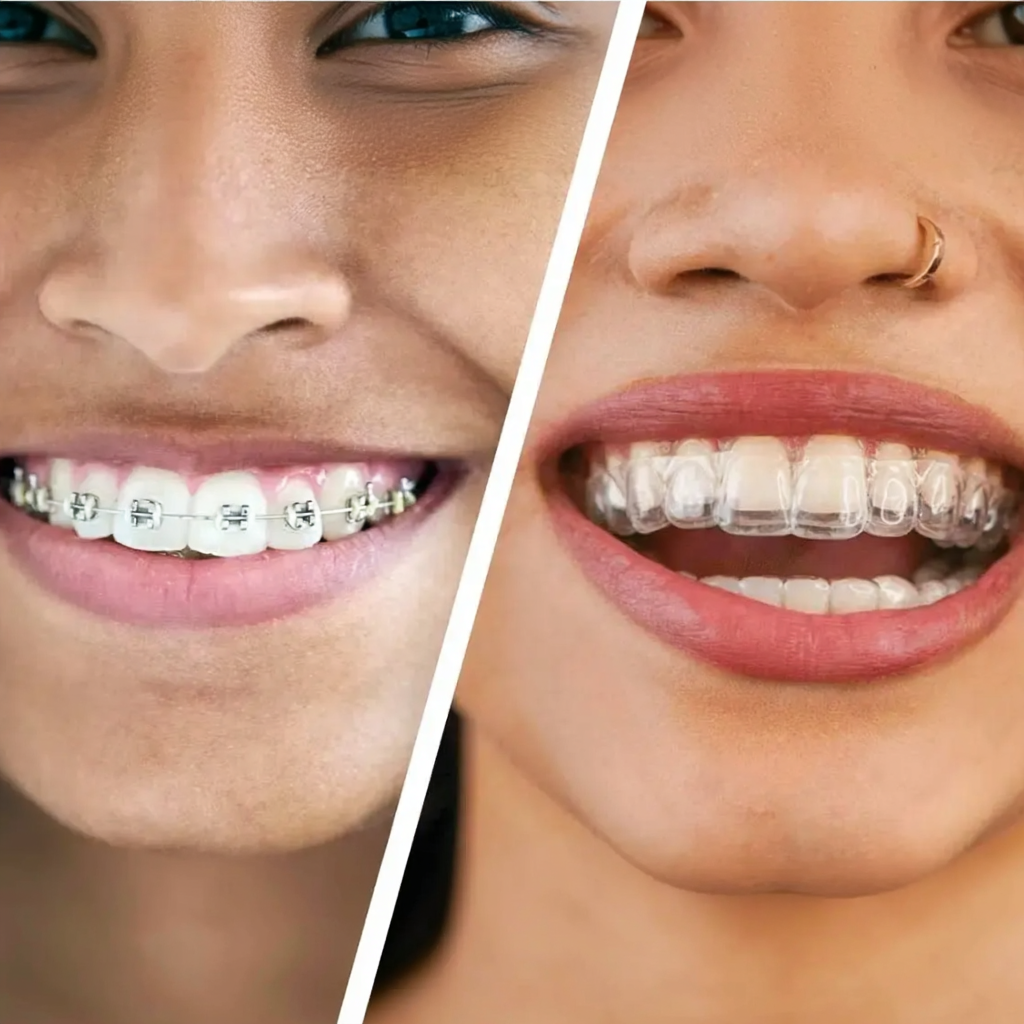
Clear aligners cause real pressure and soreness, especially during the first 2 to 3 days of each new tray. The difference vs braces is the pattern: aligner discomfort comes in regular pulses every 1 to 2 weeks (with each new tray), while braces discomfort comes in larger waves every 4 to 8 weeks (with each adjustment). Total discomfort across treatment is roughly similar.
→ What this means for you:
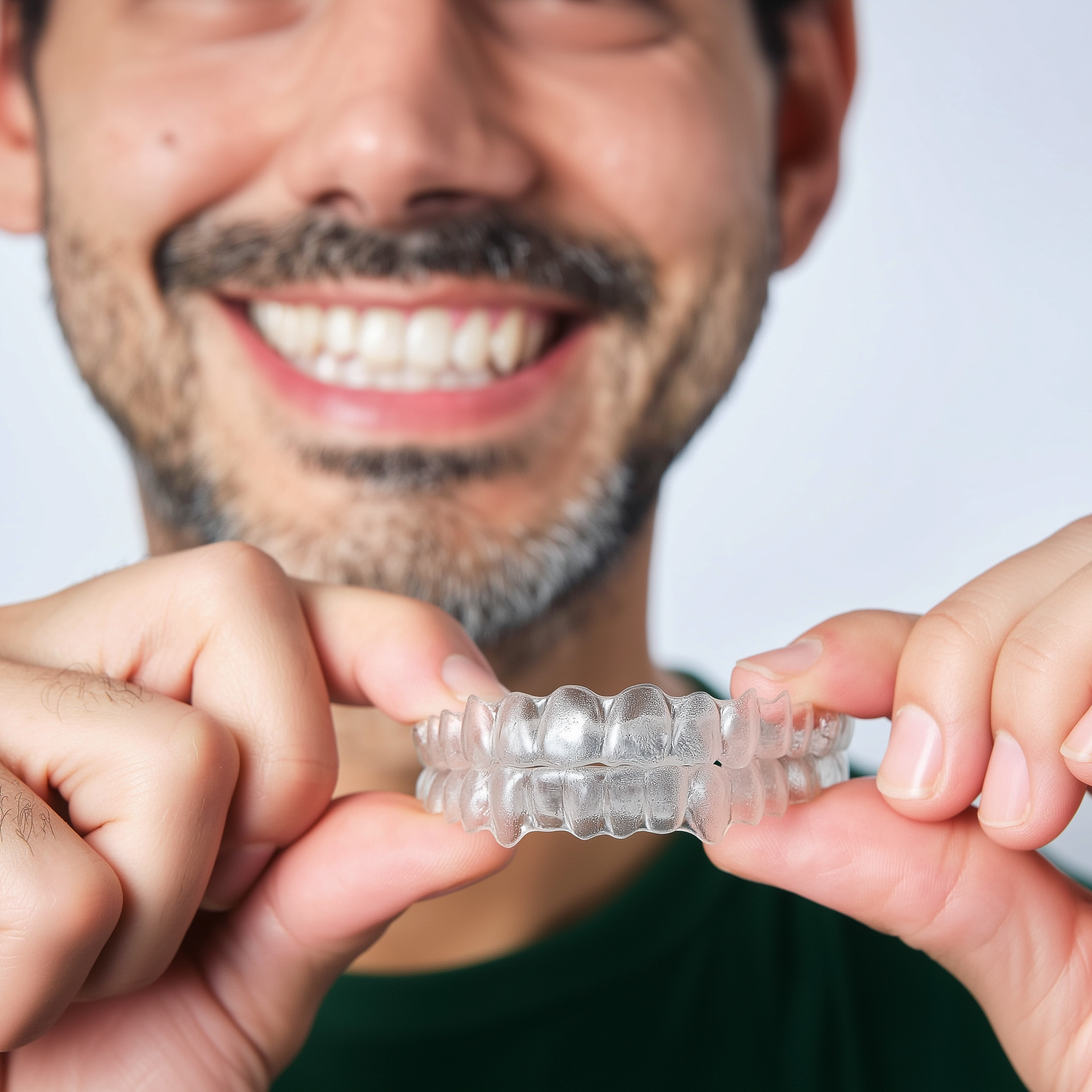
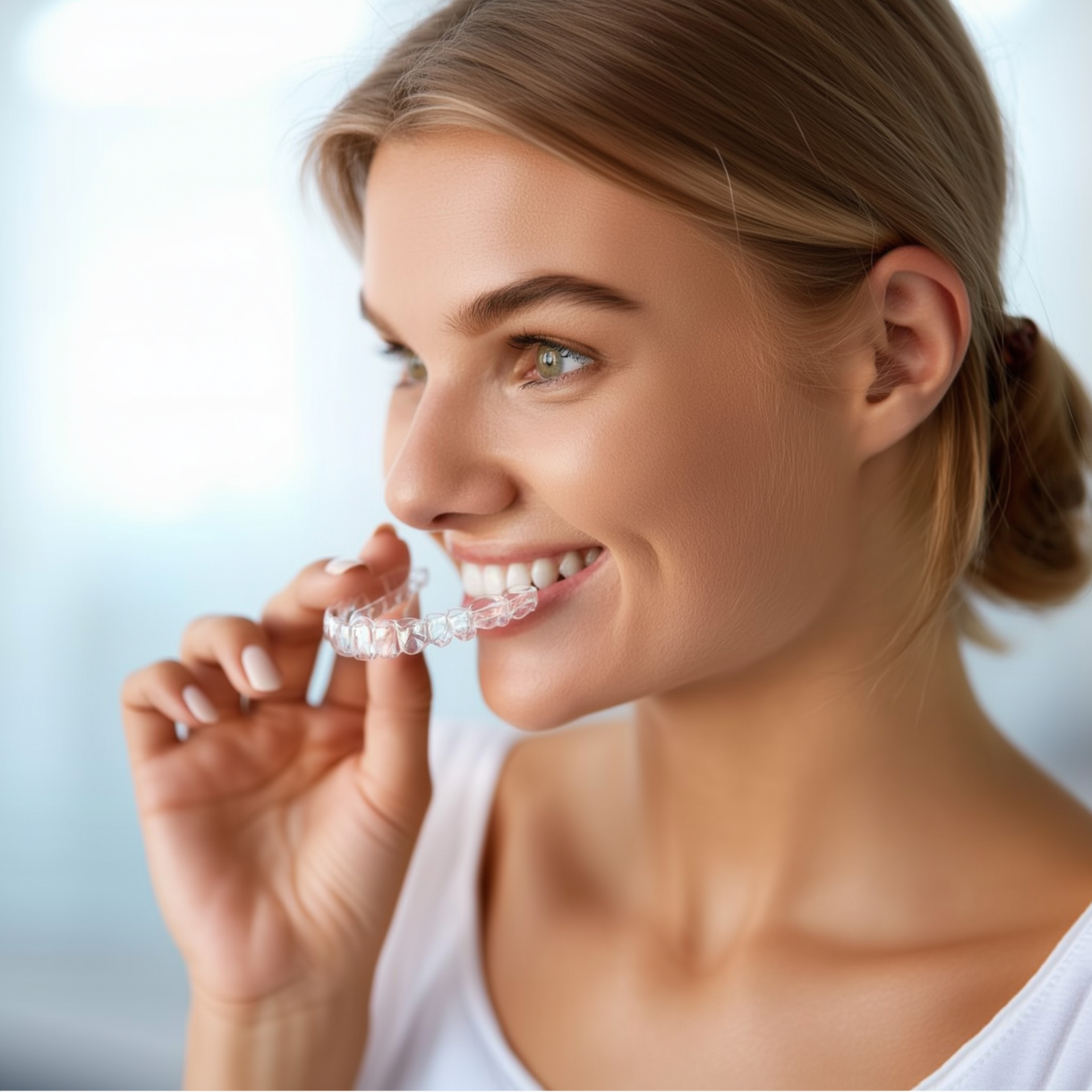
If you choose Invisalign, expect a brief flare of soreness whenever you switch to a new tray. The trick is to switch trays at bedtime so you sleep through the initial pressure. By morning, most of the soreness has eased significantly.
Myth #3: The Pain Means It's Working
This myth has a long history in dentistry and orthodontics, and it sometimes lingers in well-meaning advice from family members.
The Pain Means It's Working
✕ MYTH:
"If braces don't hurt, they probably aren't working."
✓ FACT:
Pressure does the work of moving teeth, not pain. Decades of research show that gentle, sustained forces produce the best tooth movement with the least discomfort. Heavier forces cause more pain without speeding up treatment, and in some cases they can actually slow movement by triggering inflammation that interferes with healthy bone remodeling.
→ What this means for you:
If you are not in pain between appointments, that is exactly how orthodontic treatment is supposed to feel. The forces are still working under the surface, even when you cannot feel them. Trust the process and trust your orthodontist's calibration.
Myth #4: Adults Experience More Pain Than Teens
This is one of the most common reasons adults delay treatment they would otherwise pursue. The reality is more nuanced.
Adults Experience More Pain Than Teens
✕ MYTH:
"Adults experience much more pain from braces than teenagers."
✓ FACT:
Clinical studies show that adults and teenagers report similar levels of discomfort during orthodontic treatment. What differs is the context: adults often have demanding work schedules, public-facing roles, and less flexibility during the brief discomfort windows. The actual physical pain is comparable, but the disruption can feel greater for adults.
→ What this means for you:
If you are an adult considering treatment, do not let pain fears stop you. The discomfort is manageable, brief, and predictable. Many of our adult patients tell us afterward that they wished they had started sooner. Treatment is a few weeks of small adjustments for a lifetime of straight teeth.
Myth #5: There's Nothing You Can Do About the Discomfort
This myth keeps patients suffering unnecessarily during the brief discomfort windows that are well-known to respond to simple interventions.
There's Nothing You Can Do About the Discomfort
✕ MYTH:
"You just have to grit your teeth and wait for the pain to pass."
✓ FACT:
Multiple proven strategies dramatically reduce orthodontic discomfort. Over-the-counter pain relievers (ibuprofen and acetaminophen) are clinically effective. Cold therapy reduces inflammation. Soft foods minimize chewing forces during sore periods. Orthodontic wax cushions wires and brackets that irritate cheeks. The combination of these tools turns the worst days into mild ones for most patients.
→ What this means for you:
Plan ahead for the first 2 to 3 days after appliance placement or adjustments. Stock up on soft foods, have your pain reliever of choice on hand (with your physician's clearance), and ask our team for wax. Most patients are surprised at how manageable the discomfort becomes once they have a plan.
What Actually Helps with Discomfort
If discomfort does show up, here are the five proven strategies that work best for our Bakersfield patients.
- Over-the-counter pain relievers. Ibuprofen or acetaminophen taken at the first sign of discomfort, with your physician's clearance, brings significant relief. Take them on schedule for the first 24 to 48 hours rather than waiting for pain to build.
- Cold therapy. Cold water, sugar-free popsicles, smoothies, and ice packs applied externally to the cheek all reduce gum tissue inflammation. Bakersfield summers make this strategy especially appealing.
- Soft foods for 2 to 3 days. Yogurt, smoothies, mashed potatoes, scrambled eggs, soft pasta, and soup all let you eat well without aggravating sore teeth. Plan ahead before adjustment appointments.
- Orthodontic wax for irritated cheeks. If a wire or bracket is rubbing, a small piece of wax provides immediate relief. Ask our team for extra wax at any appointment.
- Call us if anything feels off. Severe pain, persistent throbbing beyond 5 days, or sudden onset pain that wasn't there before are not normal. Reach out at 661-665-7600 and we will help.
Why Bakersfield Families Trust Elevated Orthodontics
For more than 35 years, Elevated Orthodontics has been Bakersfield's trusted home for braces and Invisalign. Here is what sets our practice apart.
- More than 35 years of experience: Dr. Don Montano has practiced orthodontics exclusively since 1987, with deep expertise across every aspect of orthodontic treatment
- Voted Bakersfield's best orthodontic practice 11 years in a row by the families we serve, with over 1,080 five-star Google reviews
- Top 1 Percent Invisalign Provider in North America and Schulman Study Group board member, with a practice deeply involved in the latest evidence-based techniques
- Serving Kern County families across Bakersfield, Oildale, Shafter, Delano, McFarland, Wasco, Lamont, Tehachapi, Arvin, Frazier Park, and the surrounding communities
- Community-driven care: Founder and current national president of the Smile for a Lifetime Foundation, providing orthodontic care at no cost to deserving young people across the country
Conclusion
So will braces hurt? The honest answer is that they will cause some discomfort, briefly, in predictable windows that you can plan for and manage. The pain stories you may have heard are mostly myth or exaggeration, and modern orthodontic treatment is significantly more comfortable than what older generations experienced. Whether you are considering braces or Invisalign for yourself or your child, our team at Elevated Orthodontics is here to answer every question honestly and help you elevate your smile with confidence.
Frequently Asked Questions
How long does the discomfort last after getting braces?
Discomfort typically peaks around 24 hours after placement and significantly improves within 3 to 5 days. Most patients are back to normal eating and activities within a week. After that, only periodic soreness occurs after adjustments, which follows the same brief, manageable pattern.
Does Invisalign hurt less than braces?
The total discomfort across treatment is roughly similar. Braces cause stronger soreness in larger waves every 4 to 8 weeks (after adjustments). Invisalign causes milder but more frequent pressure every 1 to 2 weeks (with each new tray). Many patients prefer the more predictable, milder Invisalign pattern, but it is not pain-free.
What's the best painkiller for braces?
Ibuprofen and acetaminophen are both clinically supported for orthodontic discomfort, when cleared by your physician. Take them on a schedule for the first 24 to 48 hours after placement or adjustments, rather than waiting for pain to build. Always follow dosage guidelines on the label.
When should I call my orthodontist about pain?
Call our office at 661-665-7600 if you experience severe pain that does not respond to over-the-counter medication, sharp pain that wasn't there before, persistent throbbing beyond 5 days, or pain accompanied by swelling or fever. Most cases are manageable at home, but sudden or persistent issues should always be evaluated.
Is the second day really the worst?
For most patients, yes. Peer-reviewed studies consistently show orthodontic pain peaks roughly 24 hours after the appliance is engaged, plateaus for 1 to 2 days, then declines significantly through the rest of the first week. Knowing this pattern helps you plan: stock up on soft foods and pain relievers before placement or adjustment appointments.
Sources
- Krishnan, V. (2007). Orthodontic pain: from causes to management — a review. European Journal of Orthodontics , 29(2), 170–179. View on PubMed
- Bergius, M., Kiliaridis, S., & Berggren, U. (2000). Pain in orthodontics: a review and discussion of the literature. Journal of Orofacial Orthopedics , 61(2), 125–137. View on PubMed
- Polat, Ö. (2007). Pain and discomfort after orthodontic appointments. Seminars in Orthodontics , 13(4), 292–300. View source
- American Association of Orthodontists. Orthodontic Treatment Resources for Patients. View AAO resources
- American Dental Association. Braces and Orthodontic Treatment. View ADA resources
This blog is intended for general educational purposes only and is not a substitute for personalized medical, dental, or orthodontic advice. Please contact Elevated Orthodontics or your healthcare provider with specific questions about your individual treatment, pain management, or orthodontic care.