Do You Really Need to Wear Your Retainer?
- Yes, you really do need to wear your retainer, and the honest answer is: pretty much for life, even if only a few nights a week.
- About 1 in 5 patients stop wearing their retainers within two years of getting their braces off, often gradually and without realizing it.
- The most common reason patients stop is simple: one missed night turns into a missed week, and the routine just quietly falls away.
- Building a retainer habit is much easier when you pair retainer wear with an existing nightly routine and keep your retainer somewhere you'll always see it.
- If you've already fallen off, don't panic. Call us. Getting back on track is usually much easier than patients expect, especially when you reach out early.
Table of Contents
- Introduction
- Meet Dr. Don Montano
- The Short, Honest Answer
- The Real Reasons People Stop Wearing Their Retainers
- How to Build a Retainer Habit That Actually Sticks
- What to Do If You've Already Stopped Wearing Yours
- Why Bakersfield Families Trust Elevated Orthodontics
- Conclusion
- Frequently Asked Questions
Introduction
It's been a while. You're cleaning out a drawer, and there it is. The retainer case you used to wear every night. You open it. The retainer inside looks fine, but you genuinely cannot remember the last time you actually put it in your mouth. Was it three months ago? Six? A year? You're not sure. You also can't remember exactly when you stopped, just that one night turned into a week, and a week turned into something you stopped thinking about.
If that sounds familiar, you are in genuinely good company. The drift away from retainer wear is one of the most common patterns we see at our practice, and it almost always happens the same way: gradually, quietly, and without anyone making a real decision to stop. This guide is for you, whether you're still wearing your retainer faithfully, you've started slipping, or you stopped completely a while ago and aren't sure what to do about it.
At Elevated Orthodontics, Dr. Don Montano and our team have walked thousands of Bakersfield patients through this exact question. We're going to give you the straight answer, the honest reasons people stop, and a practical plan for making retainer wear something that actually fits your life. No guilt, no lectures. Just useful information from a team that wants you to keep the smile you worked hard for.
Meet Dr. Don Montano
Dr. Don Montano has been practicing orthodontics exclusively since 1987, with more than 35 years of experience caring for smiles across Bakersfield and the surrounding Kern County community. He earned his Doctor of Dental Surgery from the University of California, San Francisco, where he was honored as a UC Regent Scholar, and completed his specialty orthodontic training at the University of Washington in Seattle.
Beyond the practice, Dr. Montano serves as a board member of the Schulman Study Group, an invitation-only national orthodontic study group, and as a member of ORMCO Insiders, a select product design group. He is a founder of the Smile for a Lifetime Foundation and currently serves as its national president, providing orthodontic care at no cost to deserving young people in communities across the country.
Our team has been voted Bakersfield's best orthodontic practice 11 years in a row, and Dr. Montano is recognized as a Top 1 Percent Invisalign Provider in North America. We've built our practice around a simple promise: live life smiling. That promise doesn't end the day your braces come off. It's why we care so deeply about helping every patient keep the smile they worked to earn.
The Short, Honest Answer
Yes. You really do need to wear your retainer. Pretty much for life. And here's why, in one sentence: your teeth never fully stop wanting to move, even decades after orthodontic treatment ends.
The way the body is built, teeth sit in a small amount of bone and connective tissue that allows them to shift gradually over time. That gradual shifting is what allowed your orthodontic treatment to move your teeth into beautiful alignment in the first place. The same biology that made your treatment possible is the biology that wants to slowly undo it over the years that follow. The retainer is what keeps that pressure in check.
The good news is that long-term retainer wear is much simpler than it sounds. After the first year or so, most patients only need to wear their retainers a few nights per week. That's it. A few nights of doing what you're already doing while you sleep. The hard part isn't the wear itself. The hard part is the consistency, and that's where most of us run into trouble.
Roughly the proportion of orthodontic patients who reported they were no longer wearing their retainers at all by the second year after debonding, in a peer-reviewed AJODO study of 428 patients across multiple practices.
Source: Kacer et al. (2010), American Journal of Orthodontics and Dentofacial Orthopedics
The Real Reasons People Stop Wearing Their Retainers
Patients almost never tell us they stopped wearing their retainer on purpose. They tell us they fell out of the habit, or they thought they were done, or life just got busy. Here are the five most common reasons we hear, along with the honest truth about each one and a different way to think about it.
EXCUSE #1 "I forgot one night, and then I forgot the next, and now it's been a while."
Honest truth: This is by far the most common way patients stop wearing their retainers. There's no decision moment. There's just gradual drift. Research shows that compliance with retainer wear drops measurably during the first two years after treatment, with one peer-reviewed study finding that clear (invisible) retainer compliance decreases at a meaningfully faster rate than Hawley retainer compliance.
A different way to think about it: Think of retainer wear less like a chore and more like brushing your teeth. You don't decide every night whether to brush. You just brush. The goal is to make retainer wear automatic, attached to a routine you already have.
EXCUSE #2 "My teeth feel fine, so I must be done."
Honest truth: Feeling fine and being done are two different things. Your teeth can feel completely normal even while small shifts are happening behind the scenes, especially in the lower front teeth, which tend to be the first to drift. Most patients don't notice the shifting until it becomes visible, by which point real movement has already occurred.
A different way to think about it: Wearing your retainer isn't a reaction to a problem. It's a strategy to prevent one. The teeth that feel "fine" today are the same teeth your retainer is quietly protecting.
EXCUSE #3 "It's been so many years. My teeth must be stable by now."
Honest truth: Teeth can shift throughout life, including decades after orthodontic treatment ends. The natural processes of aging, jaw bone remodeling, and everyday function can all contribute to slow movement. Many adults notice their lower front teeth becoming visibly more crooked in their 30s, 40s, and 50s, even if they were perfectly aligned after treatment.
A different way to think about it: There's no "finish line" with retention. It's a lifetime relationship, like wearing sunscreen or going to the dentist. The weekly investment is small, and the payoff is keeping the smile you've already paid for.
EXCUSE #4 "I lost it and never got around to replacing it."
Honest truth: We hear this one constantly, and the longer the gap, the harder it can be to seat a replacement retainer properly because the teeth have already shifted slightly. The good news is that replacements are usually quick, comfortable, and much more affordable than people expect.
A different way to think about it: Calling us about a lost retainer is one of the most patient-friendly visits in our entire schedule. There's no awkward conversation about why it's been a while. We're just glad you're back.
EXCUSE #5 "It's uncomfortable to sleep with, and I just don't like it."
Honest truth: This is a real and legitimate concern, and it's also one of the easiest to solve. Some patients do better with a different retainer style than the one they were originally prescribed. Others just need a small adjustment to improve the fit. Speech difficulties, gum irritation, and sleep discomfort are all addressable.
A different way to think about it: Comfort matters. If your retainer is uncomfortable, that's a conversation to have with us, not a reason to stop wearing it. We'd rather help you find a retainer you can actually live with than have you go without.
Honest Truth: You are not a bad patient if you've stopped wearing your retainer. You are a normal human being who experienced exactly what the research predicts. The most important step you can take right now is to reach out so we can help you get back on track.
Need a Retainer Check or Replacement?
Whether your retainer doesn't fit like it used to, you've lost it, or you just want to make sure everything is still on track, our team is here. Reach out anytime at 661-665-7600 or schedule a visit online.
→ SCHEDULE YOUR VISIT TODAYHow to Build a Retainer Habit That Actually Sticks
If the science of habit formation has taught us anything, it's that motivation alone almost never works for the long haul. What works is environmental design, pairing new habits with existing ones, and removing every possible friction point between you and the desired behavior. Here are the strategies our team has seen succeed with thousands of patients.
STRATEGY 1: Pair Retainer Wear with an Existing Habit
- Put your retainer in right after you brush your teeth at night (the most natural pairing)
- Or after washing your face, or after locking the doors and turning off lights
- The key is to attach retainer wear to a routine you do every night without thinking
- Within a few weeks, the new pairing feels automatic
STRATEGY 2: Make Your Retainer Visible
- Keep your retainer case on your bathroom counter, not tucked away in a drawer
- If you can't see it, you'll often forget about it. If you see it nightly, you'll wear it
- Some patients keep a second case on their nightstand for the same reason
- Make the visual cue part of your environment, not something you have to seek out
STRATEGY 3: Use a Phone Reminder for the First 30 Days
- Set a recurring nightly alarm labeled "retainer" for the first month
- Once the habit is established, you typically won't need the reminder anymore
- Apps designed for habit tracking can also help if you're motivated by streaks and progress
STRATEGY 4: Have a Backup Retainer Ready
- Retainers get lost. They get left at hotels, eaten by pets, or accidentally thrown out with napkins
- Having a backup means a lost retainer is a minor inconvenience, not a months-long gap
- Ask our team about a backup at your next visit. Most patients are surprised by how affordable it is
STRATEGY 5: Treat It Like a Long-Term Health Habit
- You wear sunscreen. You drink water. You floss (mostly). Retainer wear is the same category
- Long-term habits stick when they're framed as part of an identity, not a temporary requirement
- You're the kind of person who protects what they've invested in. That includes your smile
What to Do If You've Already Stopped Wearing Yours
First: take a breath. This is a very common situation, and we see it all the time. The most important thing you can do right now is reach out so we can help you understand what's going on and chart the right path forward. Here's our honest guidance.
Don't panic, and don't force anything. Pulling out your old retainer and trying to cram it into place is the wrong move. If teeth have shifted at all, forcing a retainer can damage gum tissue and won't fix anything.
Call our office and tell us when you last wore it. We'll schedule a quick evaluation, take a look at how your teeth currently sit, and help you understand what's actually going on.
Bring your old retainer with you to the visit. Even if it doesn't fit anymore, it gives us useful information about how your treatment was originally set up and what we're working with.
Be honest about the timeline. There's zero judgment from our team. The more accurate the picture you give us, the better we can help.
Trust the process from here. Depending on what we find, we may simply make you a new retainer or recommend a brief refresher treatment. Either way, the path forward is usually much simpler than patients expect.
Reaching out is the single most patient-friendly thing you can do. We promise.
Why Bakersfield Families Trust Elevated Orthodontics
For more than 35 years, Elevated Orthodontics has been Bakersfield's trusted home for orthodontic care. Here's what sets our practice apart.
More than 35 years of orthodontic experience: Dr. Don Montano has been practicing orthodontics exclusively since 1987, with deep expertise across every aspect of orthodontic treatment and retention
Top 1 Percent Invisalign Provider in North America and voted Bakersfield's best orthodontic practice 11 years in a row
Schulman Study Group board member: Dr. Montano serves on the board of this invitation-only, prestigious national orthodontic study group
Same price for braces or Invisalign: We believe you should choose the treatment option you prefer, without cost driving the decision
Flexible financing: We offer flexible financing options to fit your budget.
Community-driven care: Founder and current national president of the Smile for a Lifetime Foundation, providing orthodontic care at no cost to deserving young people in communities across the country
At Elevated Orthodontics, we believe a confident smile can truly change a life. Whether you're new to our practice or coming back after years away, we'd love to help you live life smiling for the long haul.
Conclusion
So, do you really need to wear your retainer? Yes. The honest answer is yes, and the honest second answer is that it's much easier than most patients expect once you build the habit. A few nights a week is usually enough after the first year. The retainer is the smallest possible price you can pay to protect the smile you've already worked hard to earn.
If you've fallen off, that's okay. Reach out. Our team at Elevated Orthodontics is here whenever you need us, with no guilt and no judgment, just practical help and a real path forward.
Schedule Your Free Consultation Today
1010 Calloway Drive, Suite 200A
Bakersfield, CA 93312
Phone: 661-665-7600
Website: elevatedortho.com
Office Hours: Mon–Thurs 8:00am–5:15pm | Fri 8am–12pm
Frequently Asked Questions
How long do I really need to wear my retainer?
Honestly, for life, though only a few nights per week long-term in most cases. Patients typically wear their retainers full-time for several months after debonding, transition to nighttime-only wear over the first year, and then wear retainers a few nights per week thereafter. The exact schedule depends on your case, but the pattern of long-term, low-frequency wear is the norm rather than the exception.
What happens if I skip retainer wear for one week?
A single week is generally not a crisis, especially in the years after your initial retention period. Some patients notice their retainer feels tight when they put it back in. If that's the case, wear it consistently for a few days, and the fit usually returns. If the retainer simply won't seat properly, call our office. Do not force it.
Can I just stop wearing my retainer after a few years?
We strongly recommend against fully stopping. Teeth can shift throughout life, and patients who consistently wear retainers are the ones who keep their smiles aligned for the long haul. The few nights per week required after the first year are a very small price for protecting the work you've already done.
My retainer feels tight when I put it in. Should I be worried?
Some tightness, especially after a gap in wear, is normal as the retainer reasserts pressure on teeth that have moved slightly. Try wearing it consistently for a few nights and see if the tightness resolves. If it remains tight or won't seat fully against your teeth, that's a signal to call us so we can take a look.
What if I haven't worn my retainer in years?
Call us. Don't force an old retainer that no longer fits, and don't wait until something visibly shifts. The earlier you come in, the more options you typically have. Many patients find that a quick visit and a new retainer is all that's needed to get back on track. Other cases may need a brief refresher treatment. Either way, the path forward is usually much simpler and more affordable than patients expect.
What are the different types of removable retainers?
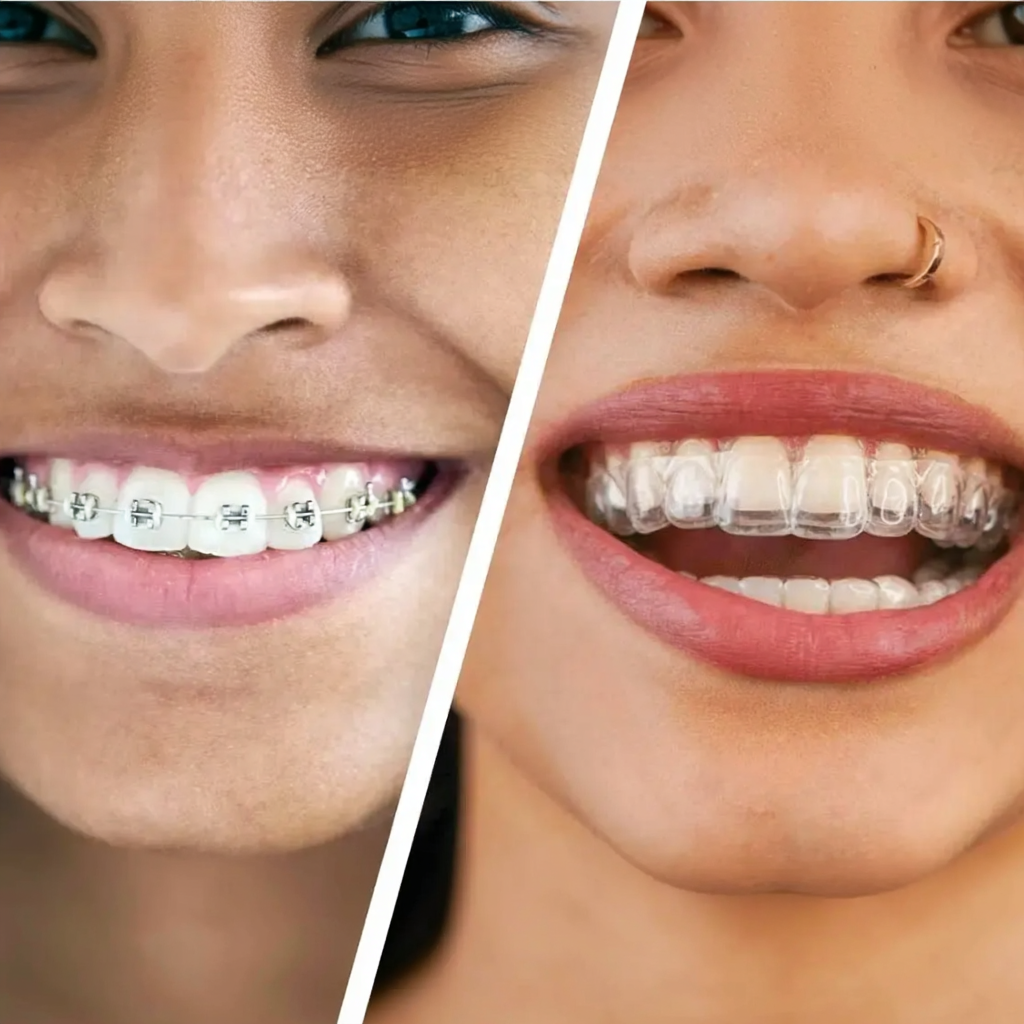
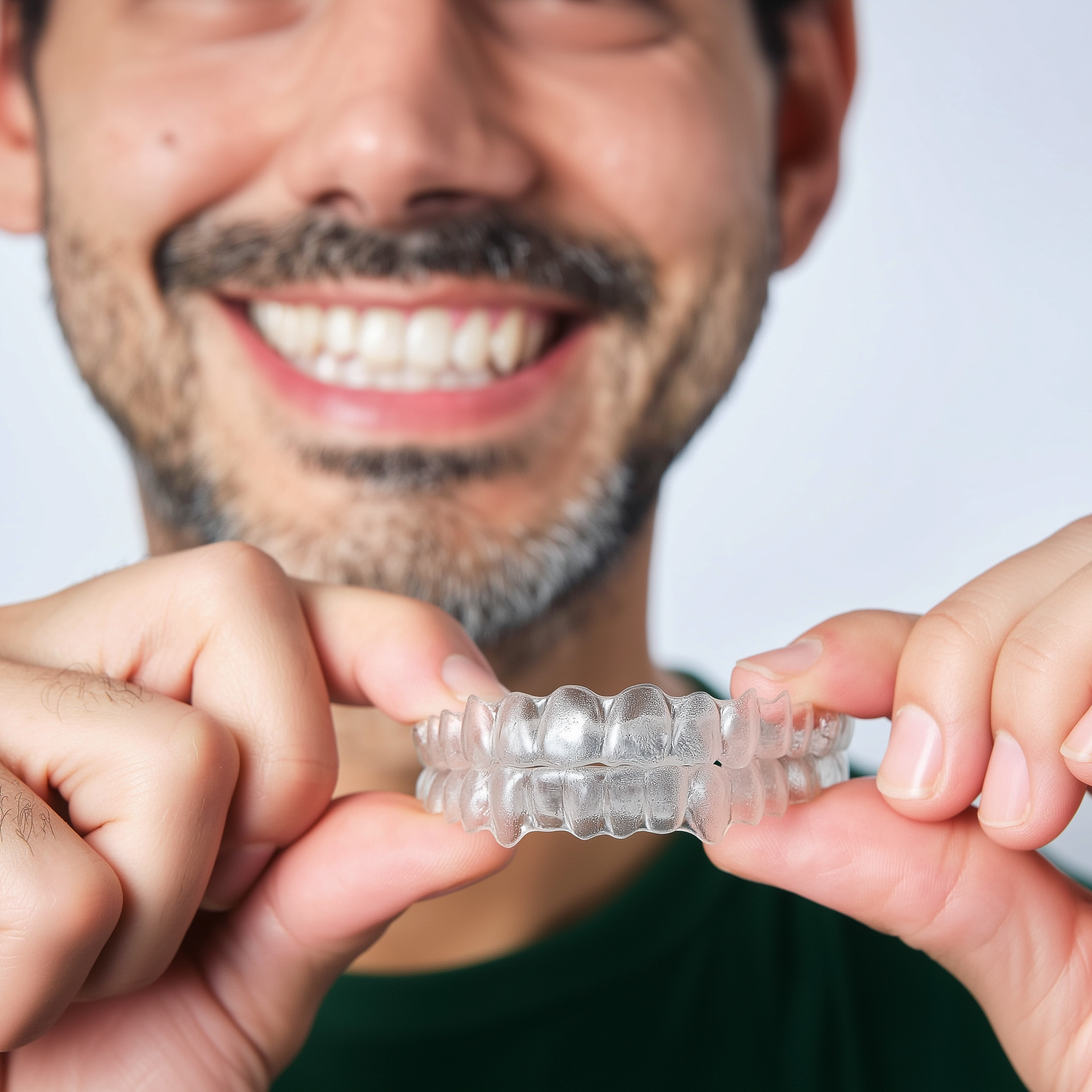
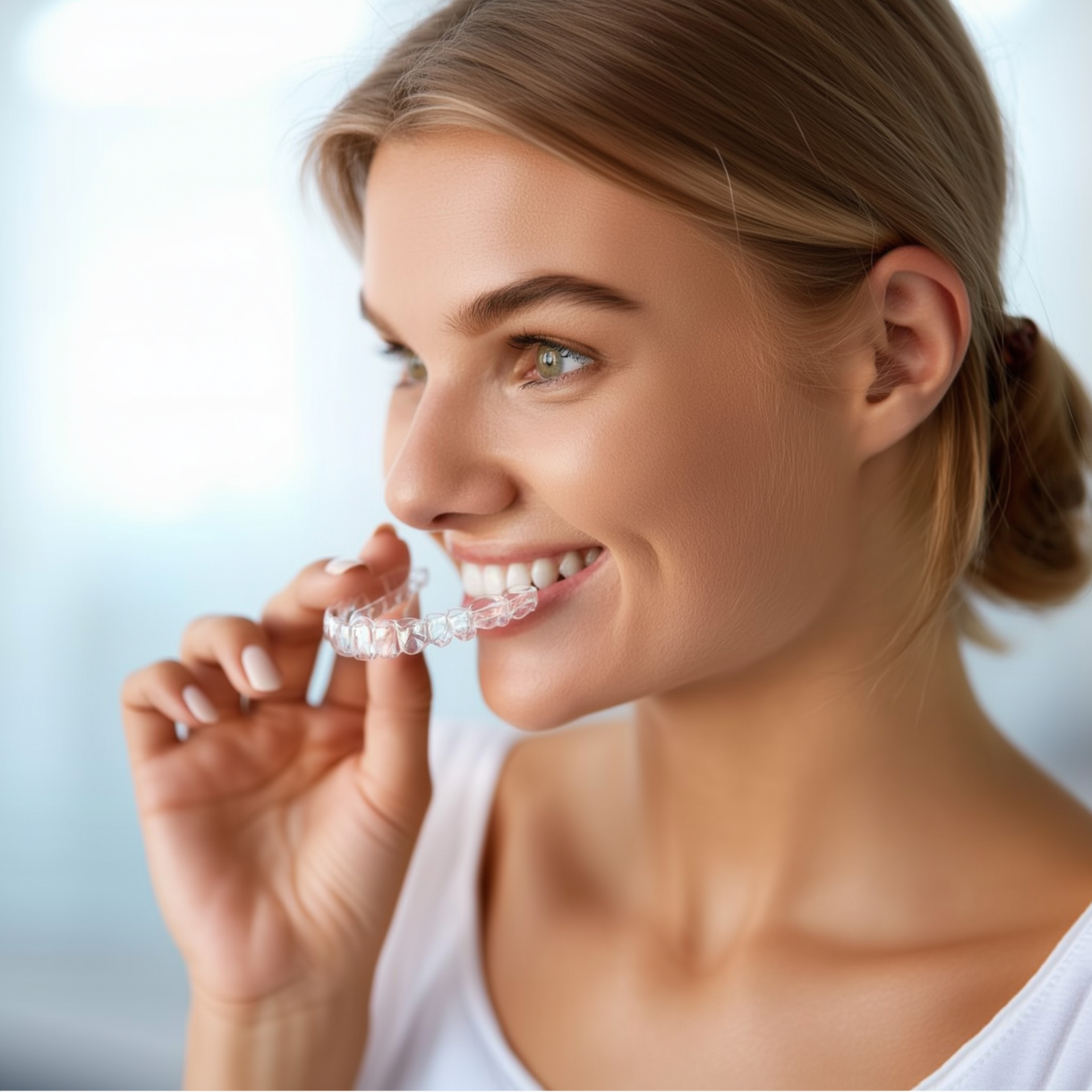
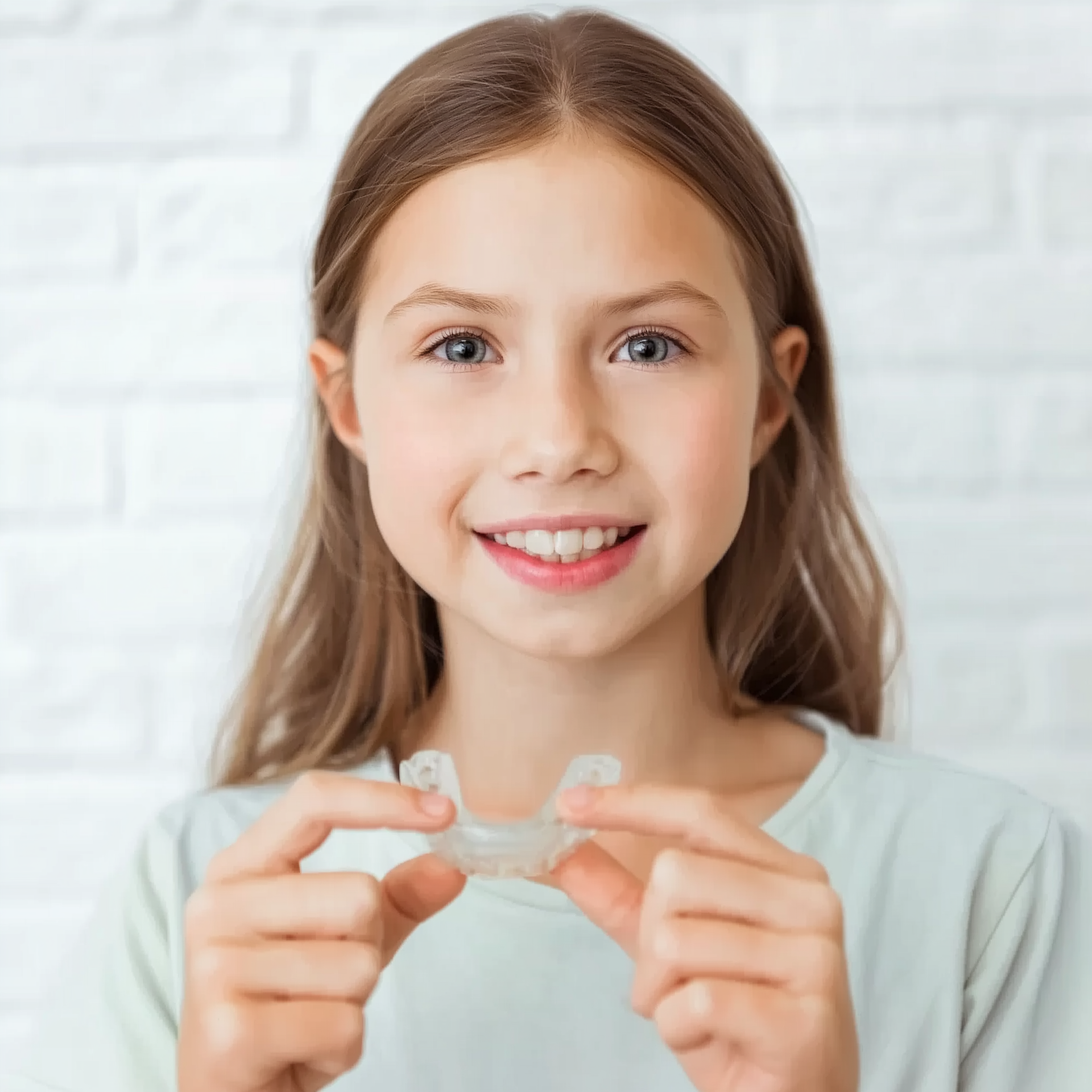
There are two main styles. Clear (invisible) retainers fit over your teeth like a thin transparent tray, similar to an Invisalign aligner. Hawley retainers have a pink or clear acrylic plate that sits against the roof of the mouth, with a metal wire across the front teeth. Both work well when worn consistently. One real advantage of clear (invisible) retainers worth knowing about: they also function as a built-in night guard, protecting your teeth from the wear and pressure of nighttime grinding or clenching (bruxism), which is something many adult patients experience without realizing it. We'll help you choose the style that fits your case and your lifestyle best.
Are there alternatives to wearing a removable retainer?
Yes. Some patients have fixed retainers bonded behind their front teeth, which work automatically and don't require nightly wear. They have their own care requirements (regular check-ins, careful flossing), but they remove the compliance question entirely. At your next visit, ask Dr. Montano whether a fixed retainer might be a good fit for your case.
Sources
- Kacer, K. A., Valiathan, M., Narendran, S., & Hans, M. G. (2010). Retainer wear and compliance in the first 2 years after active orthodontic treatment. American Journal of Orthodontics and Dentofacial Orthopedics , 138(5). View study
- Pratt, M. C., Kluemper, G. T., & Lindstrom, A. F. (2011). Patient compliance with orthodontic retainers in the postretention phase. American Journal of Orthodontics and Dentofacial Orthopedics , 140(2), 196-201. View on PubMed
- Wisitthammasophon, K., et al. (2024). Factors Influencing Orthodontic Patient Compliance with Removable Retainers. Thai Journal of Orthodontics. Read full study
- Yusoff, N., et al. (2023). A survey of patient compliance with removable orthodontic retainer wear. Read full study
- American Association of Orthodontists. Patient Care: Retention and Long-Term Smile Maintenance. View AAO patient resources
This blog is intended for general educational purposes only and is not a substitute for personalized medical, dental, or orthodontic advice. Please contact Elevated Orthodontics or your healthcare provider with specific questions about your individual retainer, retention plan, or long-term orthodontic care.
Share Post
Montano Elevated Ortho Blog