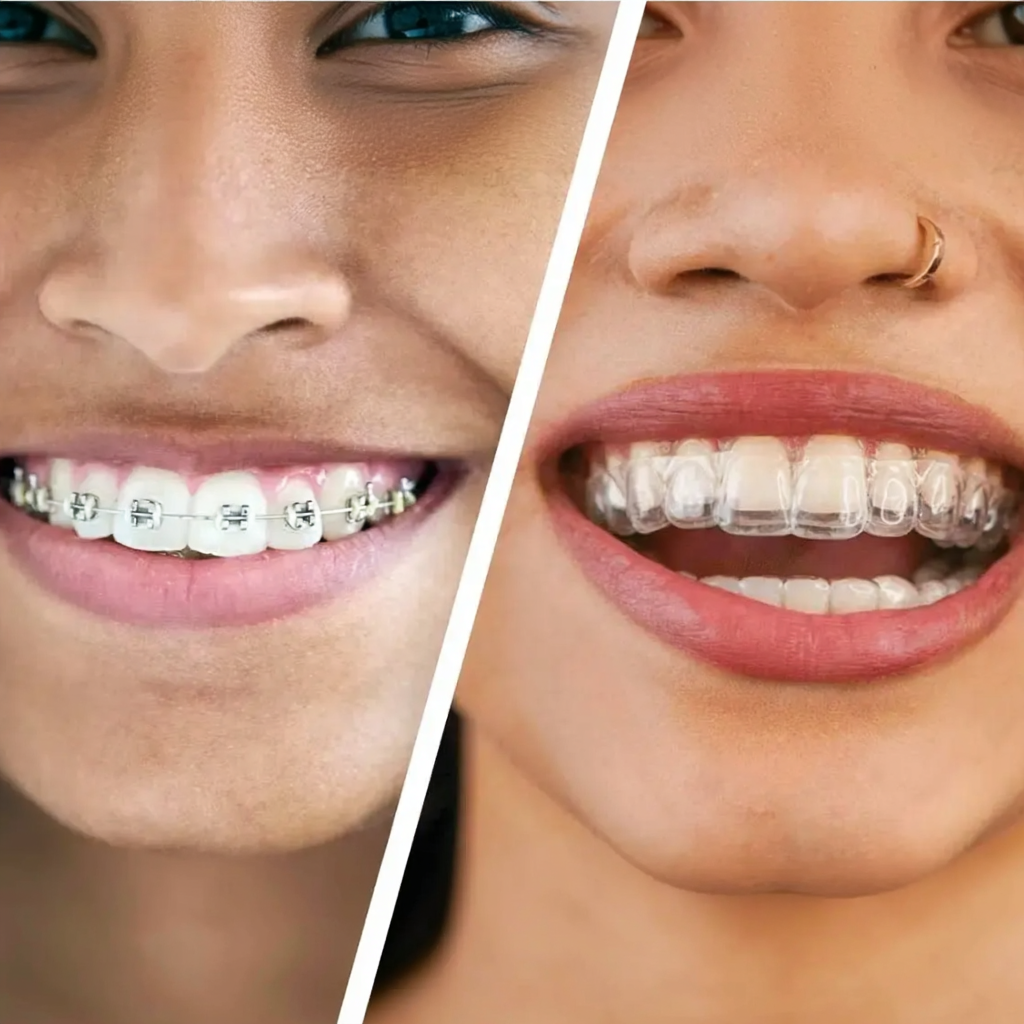
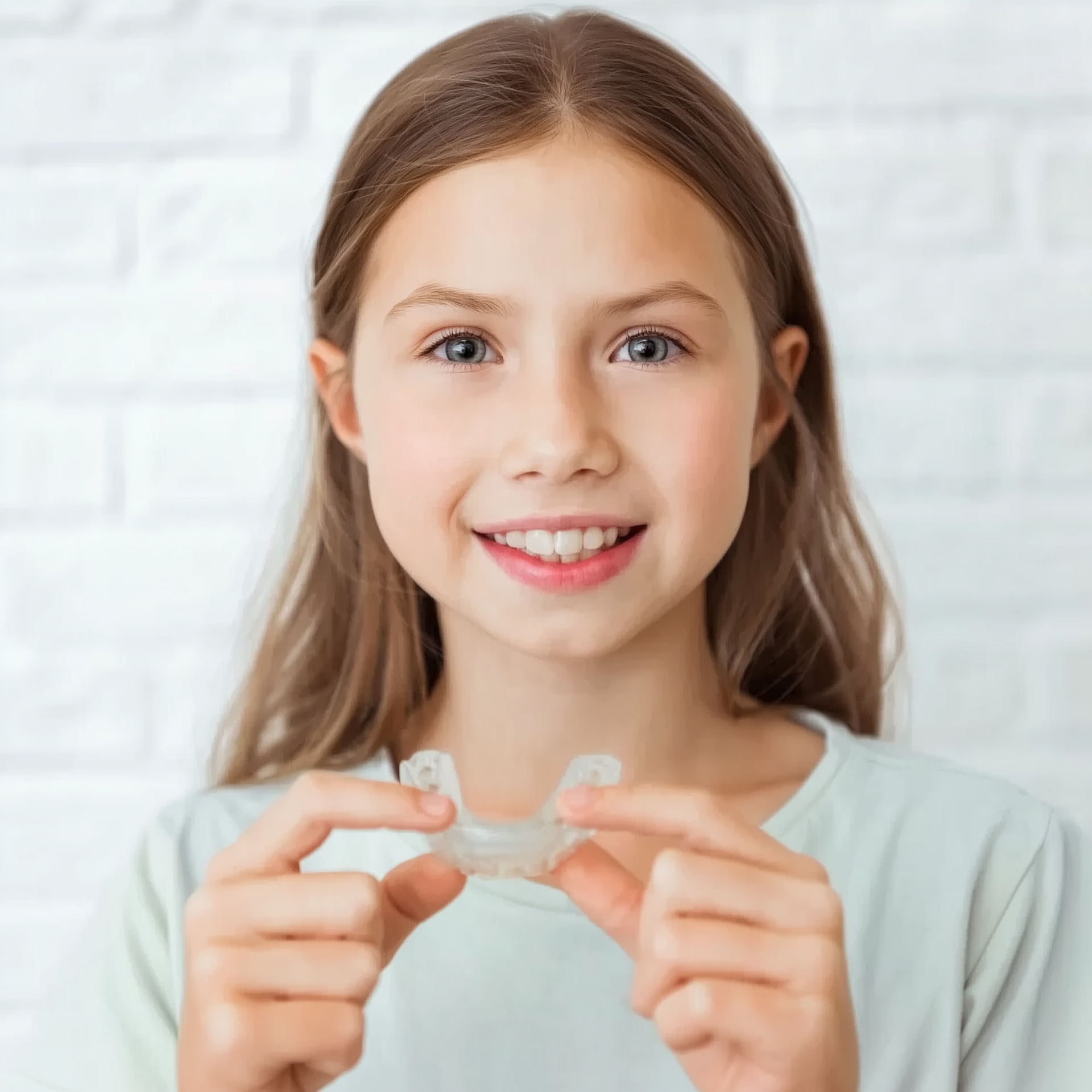
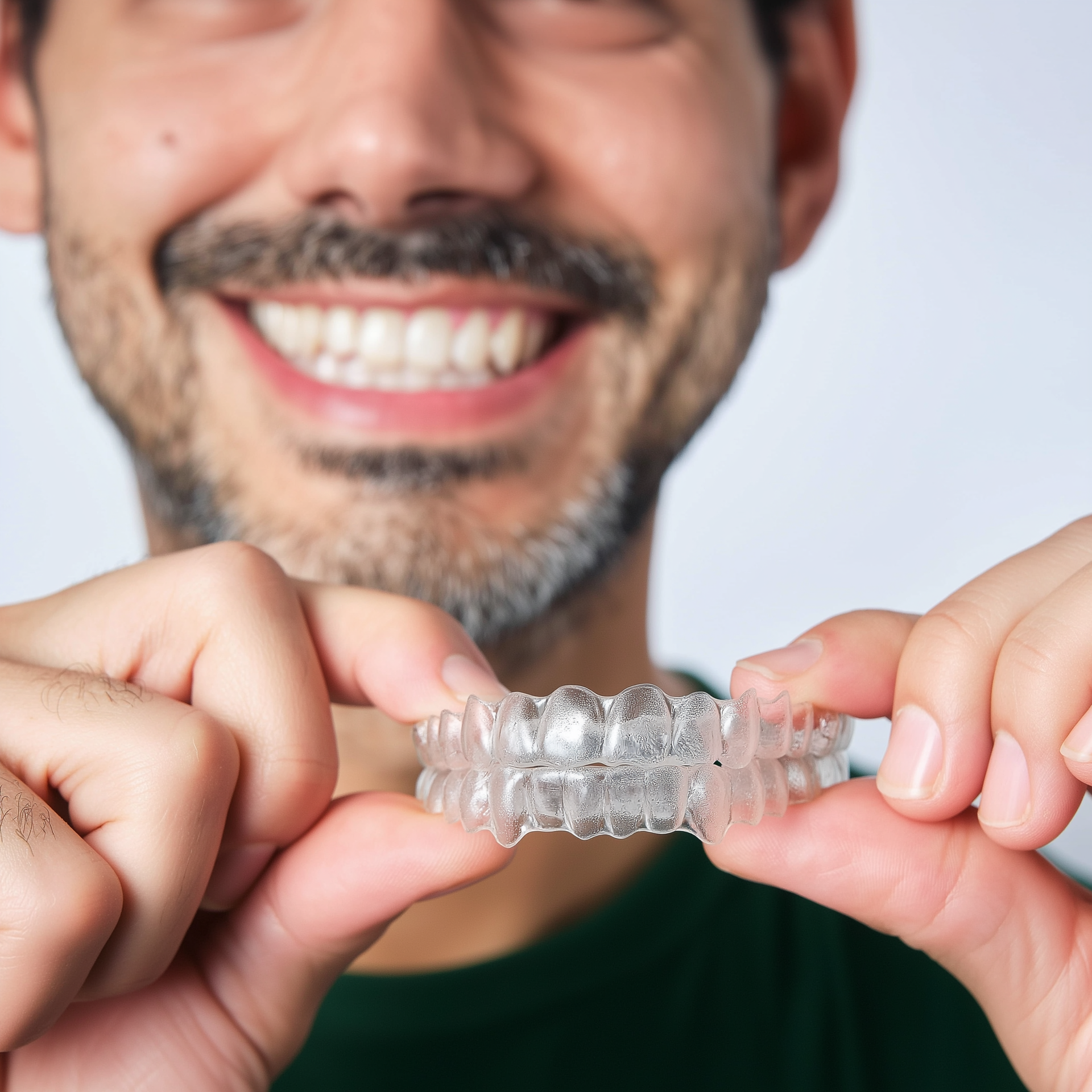
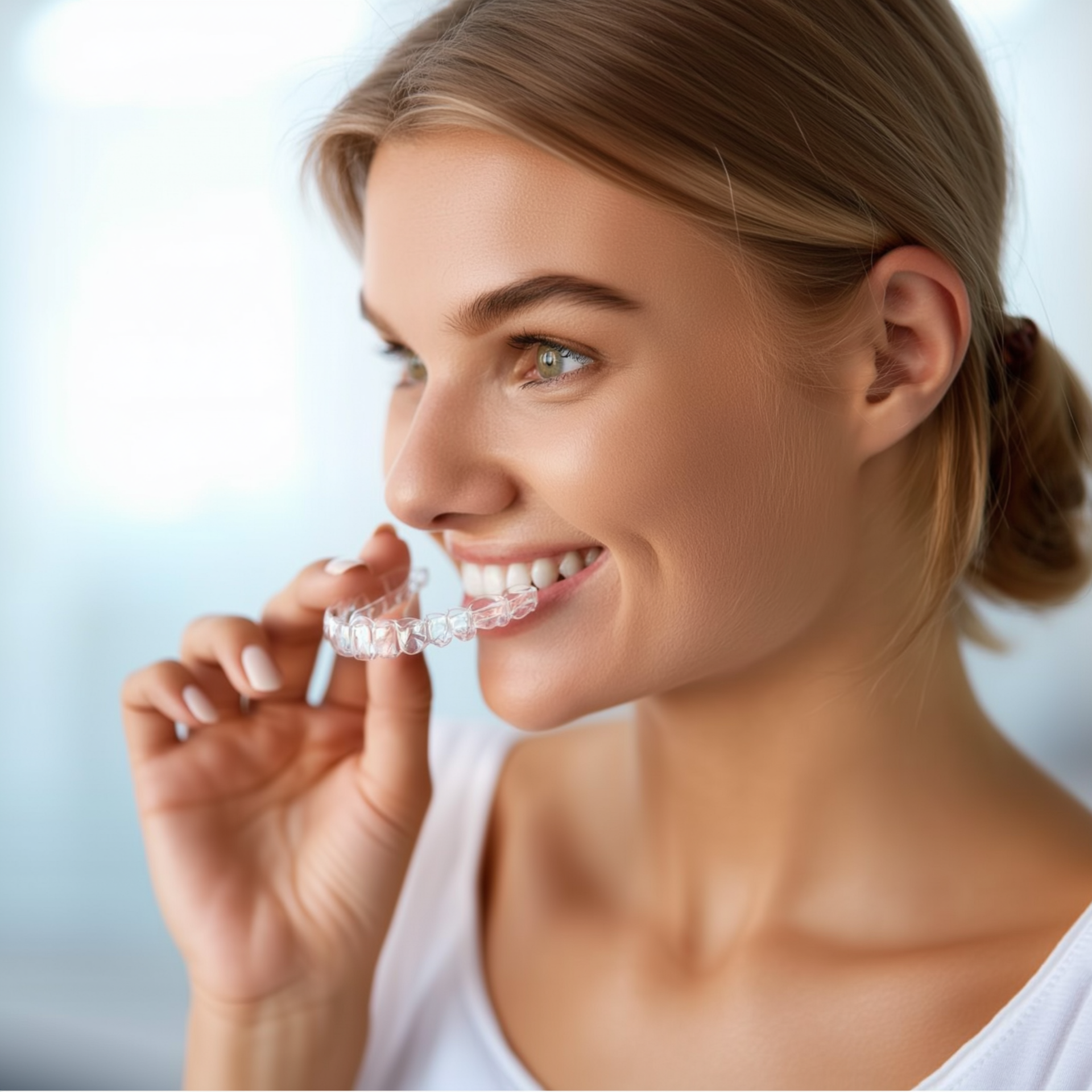
Elevated Ortho shares what patients should know about protecting their smiles during orthodontic treatment.
Your daughter got braces last month, and the bag of candy on the kitchen counter has her asking what she can actually eat. Your own Invisalign aligners are sitting in a napkin next to the office coffee pot for the third time today. Your son swears he brushed, but the red, puffy gums at his last adjustment told a different story.
Dr. Don Montano has practiced orthodontics exclusively since 1987 and has cared for Bakersfield families from this practice since 1988. In those 38 years, our team has elevated more than 15,000 smiles, and we've noticed something simple: the patients who finish with the healthiest teeth are not the ones with the most willpower. They're the ones with a routine they can keep.
What Does Orthodontic Health Mean?
Orthodontic health is the condition of your teeth, gums, and bite during and after orthodontic treatment. A smile is orthodontically healthy when the teeth are moving on plan, the enamel is free of white marks and cavities, the gums are pink and firm rather than red and swollen, and the finished bite is stable enough to last.
The American Dental Association (ADA) puts it plainly: the purpose of orthodontic treatment is to create a healthy bite. Teeth that line up properly are easier to clean and share chewing forces more evenly, which is why we describe the benefits of braces and Invisalign in terms of long-term tooth and gum health, not just appearance.
One important limit: orthodontic treatment does not treat cavities or gum disease. If either is present, your general dentist addresses it first, because teeth move most safely in an already healthy mouth.
What Happens to Teeth With Braces If You Don't Keep Them Clean?
Teeth that aren't cleaned well during braces can develop white spot lesions, chalky white marks in the enamel around where the bracket sat. They are the earliest stage of tooth decay, caused by plaque acids pulling minerals out of the enamel. Once the braces come off, the marks can be permanent.
Sugary drinks are a quiet cause. The American Association of Orthodontists (AAO) notes that soda, sweet tea, energy drinks, and sports drinks all carry added sugar that can lead to decalcification, the white marks described above. A drink sipped slowly over an afternoon bathes the brackets in sugar for hours.
Gums are the other half of the picture. Plaque along the gumline leads to red, swollen gums that bleed when brushed, which is gingivitis. Swollen gums can also make tooth movement less predictable, so hygiene and treatment progress are connected.
Aligner wearers are not off the hook. Anything other than water that gets trapped under an aligner stays pressed against the enamel until the aligner comes out, which is why we're strict about water-only while aligners are in.
How to Brush and Floss With Braces
Brush after every meal and before bed with a soft toothbrush and fluoride toothpaste, floss once a day, and finish the night with a fluoride rinse. The AAO recommends brushing for two minutes, twice a day, with fluoride toothpaste. In our practice, we recommend brushing after every meal during braces, because food has far more places to hide.
For students heading from one of the Kern High School District's 19 high schools straight to practice or a game, a small backpack kit solves most problems: a travel brush, mini toothpaste, floss picks or interdental brushes, and orthodontic wax. If a bracket ever comes loose, save the piece and call us so we can fix it before it slows treatment.
How to Keep Teeth Healthy With Invisalign Aligners
Wear aligners at least 22 hours a day, take them out to eat or drink anything other than water, brush before putting them back in, and clean the aligners daily. That's the routine we give every Invisalign patient at Elevated Ortho, and it's what keeps teeth healthy underneath the plastic.
Aligners remove the biggest braces hygiene problem because nothing is bonded to the teeth to brush around. They add a different one. Whatever is on your teeth when the aligner goes in is sealed against the enamel until it comes out again.
Our Invisalign Diamond Apex standing reflects the volume of aligner cases our doctors manage, and the pattern we see is consistent: patients who keep a case with them and brush before reinserting have the cleanest teeth at every check. If you're still deciding between appliances, our guide to braces versus Invisalign explains how each fits into daily life.
What Can You Eat With Braces, From Candy Season to Everyday Meals?
With braces, avoid anything hard, sticky, or difficult to bite into, and enjoy soft foods and candies that melt in your mouth. The AAO lists hard candy, taffy, caramel, popcorn, nuts, ice, chips, and pretzels among the foods that break brackets or lodge under wires. Softer chocolate, ice cream, yogurt, and berries are generally fine.
Aligner wearers can eat almost anything, as long as the aligners come out first and the teeth get brushed before they go back in. The real risk with aligners is grazing on candy all afternoon and skipping the brushing in between.
| Food or treat | With braces | With aligners | Why |
|---|---|---|---|
| Soft chocolate, peanut butter cups | Fine in moderation | Fine, aligners out | Melts and rinses away; brush afterward |
| Caramel, taffy, gummies | Skip | Aligners out, then brush | Sticky candy pulls at brackets and clings to teeth |
| Hard candy, jawbreakers, lollipops | Skip | Aligners out, then brush | Biting can snap a bracket; sucking bathes teeth in sugar |
| Popcorn at the game | Skip | Aligners out, then floss | Kernels wedge under wires and between teeth |
| Soda, sports drinks, sweet tea | Limit, use a straw, rinse | Aligners out, water only while in | Added sugar drives white marks on enamel |
| Apples, carrots, corn on the cob | Cut into small pieces | Fine, aligners out | Biting straight in can break a bracket |
Our braces-safe candy guide has a longer list for trick-or-treat bags, birthday parties, and holiday tables. The short version: pick a few favorites, enjoy them after a meal rather than grazing, and brush before bed without fail.
Do You Still Need to See Your Dentist During Orthodontic Treatment?
Yes. Keep your regular dental cleanings and checkups for the entire time you're in braces or aligners.
Your orthodontist and your general dentist do different jobs. We move teeth and manage the appliances. Your dentist checks for cavities, measures gum health, and removes the hardened plaque that home brushing can't reach, especially around brackets.
Between visits, many of our patients also use Dental Monitoring, which lets our team review weekly scans of your teeth so we can catch a gum that's getting puffy before your next appointment.
Why Retainers Are Part of Orthodontic Health
A retainer protects the healthy bite you worked for. The ADA describes retainers as the appliance that preserves and stabilizes treatment results, and teeth can shift at any age. Clean yours every time it comes out, and if it's been a while, our post on whether you really need to wear your retainer explains how to get back on track.
Why Families Choose Elevated Ortho for Orthodontic Health
Bakersfield orthodontics since 1988. Dr. Montano has practiced orthodontics exclusively since 1987 and has cared for Kern County families from this practice for 38 years. That history shows up in the routines we teach, because we've watched which ones work.
More than 15,000 smiles elevated. Each of those patients had to keep their teeth and gums healthy through months of treatment. The hygiene coaching in this article is the same coaching we give at the chair.
Orthodontic specialists only. Both of our doctors completed specialty training in orthodontics after dental school: Dr. Montano at the University of Washington and Dr. Kwon at the University of Connecticut, where he still teaches as an adjunct faculty member.
Invisalign Diamond Apex provider. The aligner care routine above comes from managing a high volume of Invisalign cases, including the ones where hygiene habits made the difference in the final result.
Weekly remote monitoring. Dental Monitoring lets our team review your teeth every week between office visits, so we catch a gum that's getting puffy or a tooth that's not tracking early.
Frequently Asked Questions About Orthodontic Health
What does orthodontic health mean?
Orthodontic health is the condition of your teeth, gums, and bite during and after orthodontic treatment. A smile is orthodontically healthy when the teeth are moving on plan, the enamel has no white marks or cavities, the gums are pink and firm, and the finished bite is stable. Daily brushing, flossing, fluoride, dental checkups, and retainer wear protect all four.
How do you brush your teeth with braces?
Brush after every meal and before bed with a soft toothbrush and fluoride toothpaste. Angle the bristles at 45 degrees toward the gumline, brush above and below each bracket, then the chewing surfaces and the inside of the teeth. It usually takes longer than two minutes with braces. An electric toothbrush removes more plaque than a manual one.
Can I drink coffee or soda with Invisalign aligners in?
No. Drink only water while aligners are in. Coffee, soda, juice, sports drinks, and even coffee with cream get trapped under the aligner and sit against the enamel until it comes out, which can stain the aligner and lead to cavities or white marks. Take the aligners out, enjoy the drink, rinse or brush, and put them back in.
What are the white spots on teeth after braces?
White spots after braces are white spot lesions, areas where plaque acids pulled minerals out of the enamel around a bracket. They are the earliest stage of tooth decay and can be permanent. A 2015 meta-analysis of 14 studies found that 45.8 percent of patients developed new ones during braces. Daily brushing, flossing, fluoride, and fewer sugary drinks prevent most of them.
Do I still need to see my dentist while I have braces?
Yes. Keep your regular dental cleanings and checkups for the entire time you wear braces or aligners. Your orthodontist moves teeth and manages the appliances, while your general dentist checks for cavities, measures gum health, and removes hardened plaque that home brushing cannot reach, especially around brackets. The two offices work together.
Sources
- American Association of Orthodontists. What Candy Can You Eat with Braces? https:/
/ aaoinfo.org/ blog/ what- candy- can- you- eat- with- braces - American Association of Orthodontists. What Can I Eat with Braces? https:/
/ aaoinfo.org/ blog/ what- can- i- eat- with- braces - American Dental Association, MouthHealthy. Orthodontics (Braces). https:/
/ www.mouthhealthy.org/ all- topics- a- z/ orthodontics - Sundararaj D, Venkatachalapathy S, Tandon A, Pereira A. (2015). Critical evaluation of incidence and prevalence of white spot lesions during fixed orthodontic appliance treatment: A meta-analysis. Journal of International Society of Preventive and Community Dentistry, 5(6), 433 to 439. https:/
/ doi.org/ 10.4103/ 2231- 0762.167719
About the Author
Dr. Don Montano, DDS, MSD, has practiced orthodontics exclusively since 1987 and has led Montano Elevated Orthodontics in Bakersfield since 1988. He is the founder and national president of the Smile For a Lifetime Foundation and has spent nearly four decades teaching patients that a healthy smile starts with a routine they can keep. Read more about Dr. Montano.