Elevated Ortho helps Bakersfield families make the most of their remaining FSA benefits.
Quick Answer
Yes. Braces and Invisalign clear aligners are generally eligible expenses for a health flexible spending account (FSA), because the Internal Revenue Service (IRS) counts braces as dental treatment. Most FSAs are "use it or lose it," so money left at the end of your plan year can be forfeited unless your plan offers a grace period or a limited carryover. Some plans reimburse orthodontic payments when you make them, while others reimburse as treatment happens. Check your plan's deadline and rules, then talk with Elevated Ortho about timing your treatment and payments.
Key Takeaways
Braces and aligners used to straighten teeth and correct a bite are generally FSA-eligible for you, your spouse, and your dependents.
Unused FSA money is usually lost at the end of the plan year unless your plan offers a grace period of up to two and a half months or a carryover. A plan can offer one, but not both.
Each plan decides whether to reimburse orthodontic payments up front or as treatment happens, so check with your plan before you pay.
At Elevated Orthodontics, your first consultation is free, Invisalign is priced about the same as braces, and in-house financing is 0% interest.
The end of the year fills up fast. Holiday plans, school events, and somewhere in the middle, an email from work reminding you to use your FSA before the deadline.
If you or your child has been thinking about braces or Invisalign, that reminder can be good news. The money you already set aside could go toward a healthier, more confident smile instead of slipping away when the plan year ends.
At Elevated Ortho, Dr. Montano has helped Bakersfield families plan orthodontic care since 1988. Alongside him, Dr. Kwon brings advanced orthodontic expertise, innovative treatment techniques, and a commitment to personalized patient care. Together, they are dedicated to helping patients achieve healthy, confident smiles. Here's how FSA braces payments usually work, what to check before your FSA deadline, and how our team can help you make the most of your year-end benefits.
Can You Use FSA for Braces? Usually, Yes
Can you use FSA for braces? In most cases, yes. The IRS lists braces as a dental treatment you can count as a medical expense, and a health FSA reimburses qualified medical expenses like these.
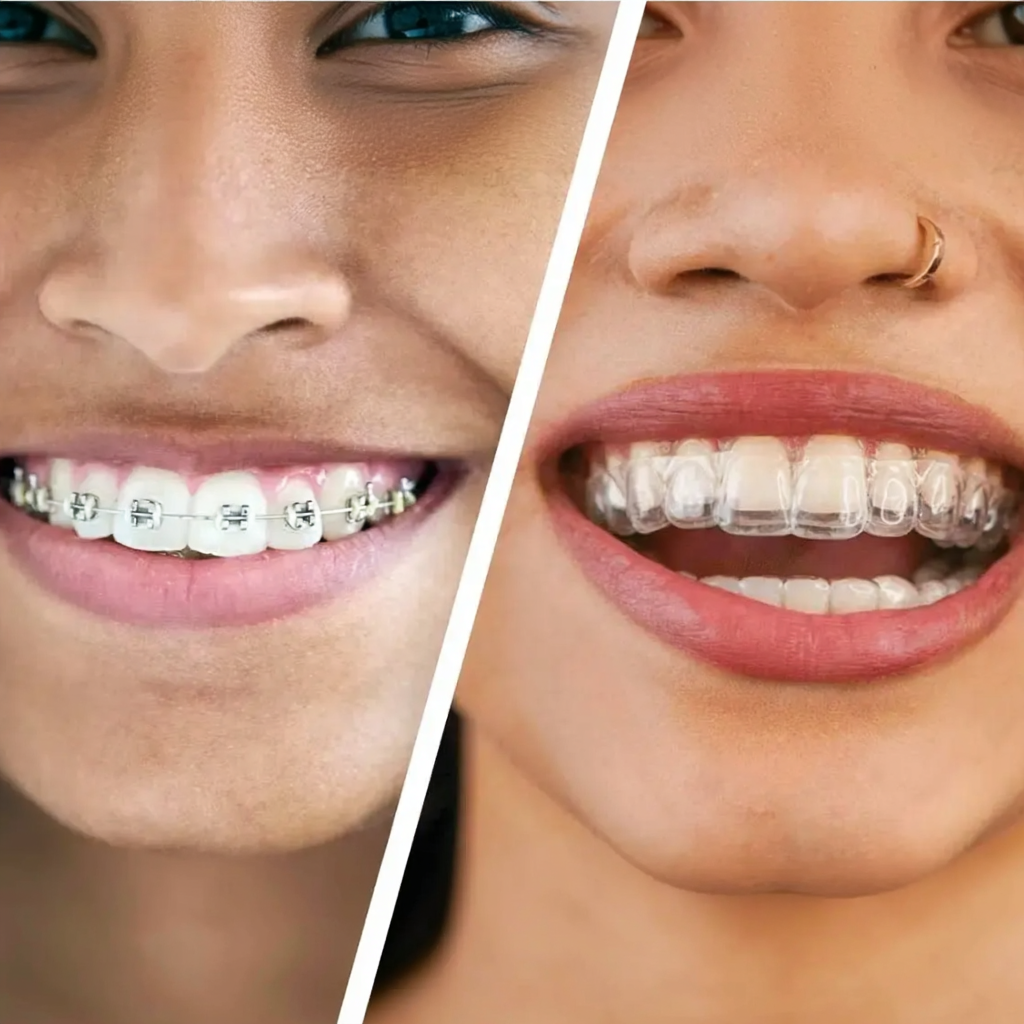
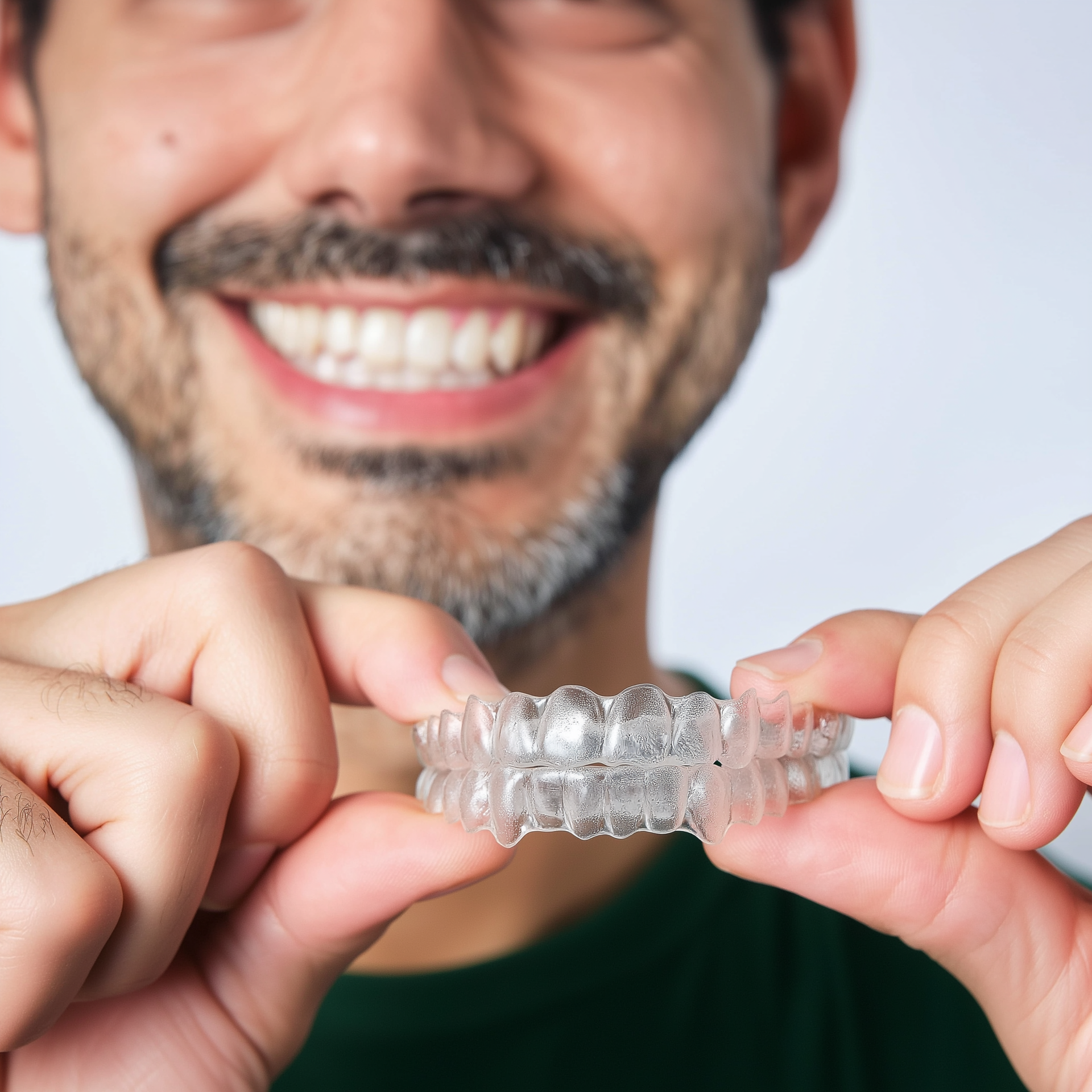
Clear aligners like Invisalign are orthodontic treatment too, and FSA plans generally treat them the same way as braces. Your own plan has the final say, so it's smart to confirm before you pay.
Your FSA can also cover care for your spouse and your dependents, including a child under age 27, according to IRS Publication 969. So one parent's FSA can help with a teen's braces or with a parent's own aligners.
What usually counts, and what doesn't
- Usually counts: braces(metal or ceramic) and Invisalign aligners used to treat crowding, spacing, or bite problems.
- Usually counts: the out-of-pocket amount left after your dental insurance pays its share.
- Depends on your plan: down payments and monthly payments, based on how your plan handles orthodontic care.
- Doesn't count: purely cosmetic services. The IRS lists teeth whitening among expenses you can't include.
Why Your FSA Deadline Matters
Most health FSAs follow a "use it or lose it" rule. If money is still in your account when your plan year ends, you can lose it.
Some employers soften that rule in one of two ways. Here's a quick look at what each option means for you.
| Plan feature | What it means | What to check |
|---|---|---|
| Standard use it or lose it | Money left at the end of the plan year is generally forfeited. | Your plan year end date and your claim filing deadline. |
| Grace period | You get up to two and a half extra months to use last year's leftover money on new expenses. | Whether your plan offers it and the exact end date. |
| Carryover | A limited amount rolls into the next plan year. For plan years that start in 2026, the IRS maximum is $680, and your plan may set a lower amount. | Your plan's carryover amount, if it has one. |
A plan can offer a grace period or a carryover for a health FSA, but not both. Many plans follow the calendar year, though not all do. Your benefits portal or human resources (HR) team can tell you exactly which rules apply.
How FSA Payments for Braces and Aligners Work
Orthodontic care is a little different from a regular dental visit. Braces and aligners last for many months, and FSA rules generally tie reimbursement to care during your plan year.
Orthodontic care has a helpful exception. Under the IRS's rules, a plan may reimburse orthodontic payments you actually make in advance, even when treatment continues into the next year. Plans are allowed to do this, but not required to.
Two common ways plans handle it
Pay as you go: Your plan reimburses your down payment and monthly payments as you make them, or as treatment is provided.
Paid in advance: If your plan allows it, a payment you make this year toward treatment may be reimbursed from this year's FSA.
Before you make a large payment to use up a balance, ask your FSA administrator which method your plan uses and what paperwork it needs. Many plans ask for a copy of your treatment contract and proof of each payment.
Braces Cost and How Much Does Invisalign Cost in Bakersfield?
Every smile is different, so braces cost depends on what your teeth and bite need, how long treatment takes, and the option you choose. Our open enrollment guide notes that treatment in Bakersfield typically ranges from about $3,500 to $7,000, depending on complexity.
So, how much does Invisalign cost at Elevated Orthodontics? It's priced about the same as braces. That means you can choose between Bakersfield braces and Bakersfield Invisalign based on what fits your smile and your life. If you're weighing the two, our post on braces vs. Invisalign is a great place to start.
You'll get your exact cost at your free consultation, and our plans come with no hidden fees.
Ways to make treatment fit your budget
- Dental insurance: we accept most insurance plans and work with your insurance to help you get the most from your benefit.
- FSA dollars: use them toward the costs your insurance doesn't cover.
- Flexible payments: in-house financing at 0% interest, plus extended payment plans with no down payment.
- Easy tracking: every patient gets online account access to view a financial summary.
Learn more about cost and first visits on our New Patients page.
Your Year-End Benefits Checklist
A few quick steps now can help you get every dollar out of your year-end benefits.
- Check your FSA balance in your benefits portal or app.
- Find your plan year-end date and the last day to file claims.
- Ask about a grace period or carryover, and how much it allows.
- Ask how your plan reimburses orthodontic care, in advance or as treatment happens.
- Review your dental insurance for any orthodontic benefit, lifetime maximum, or age limit.
- Schedule your free consultation so you have a treatment plan and cost in hand.
- Save every receipt along with your treatment contract.
Planning Ahead for Next Year's FSA
If this year's balance is small, open enrollment is a great time to plan ahead. For plan years beginning in 2027, the IRS limit on employee contributions to a health FSA is $3,500. Your employer may set a lower limit.
Here's a helpful detail. Your full yearly election is generally available at any time during the plan year, even before you've contributed all of it. That can make an early down payment easier to cover.
A cost estimate from your consultation can help you choose an amount you're confident you'll use.
Why Bakersfield Families Choose Elevated Ortho
- Orthodontic specialists: Dr. Don Montano has practiced orthodontics exclusively since 1987 and has cared for Bakersfield smiles since 1988.
- Advanced training: Dr. Tae Kwon studied at the University of California, Los Angeles (UCLA) and earned his orthodontic master's degree at the University of Connecticut, with research experience at Yale School of Medicine.
- Invisalign Diamond Apex provider: our team has deep experience guiding clear aligner treatment.
- Trusted by our community: more than 15,000 smiles elevated and more than 1,100 five-star Google reviews.
- Easy first steps: free consultations in person or through our virtual consultation.
We're so grateful to every family who has trusted us with their smile. It's a privilege to help Bakersfield level up.
Final Answer
Yes, you can usually use your FSA for braces or Invisalign, since the IRS treats braces as dental care and plans generally treat clear aligners the same way. To avoid losing money at your FSA deadline, check when your plan year ends, whether you have a grace period or carryover, and how your plan reimburses orthodontic payments. Then schedule a free consultation at Elevated Ortho. You'll leave with a clear treatment plan and cost, so you can make the most of this year's benefits and plan smart for next year.
Frequently Asked Questions
Can I use my FSA for my child's braces?
Yes, in most cases. A health FSA can generally reimburse qualified expenses for you, your spouse, and your dependents, including a child under age 27. Braces and aligners used to correct alignment or bite problems usually qualify. Check your plan's rules on how orthodontic payments are reimbursed before you pay.
Does my FSA cover Invisalign the same way as braces?
Generally, yes. Invisalign is orthodontic treatment, and FSA plans usually treat clear aligners used to correct teeth or bite problems the same way as braces. Purely cosmetic services, like teeth whitening, don't qualify. Since each plan sets its own process, confirm with your administrator.
What happens if I don't use my FSA before the deadline?
Money left at the end of your plan year is generally forfeited. Some plans offer a grace period of up to two and a half months to spend it, and others allow a limited carryover into the next year. A plan can't offer both, so check which one, if either, your plan includes.
Can I pay for my whole treatment up front with my FSA?
It depends on your plan. IRS rules allow a plan to reimburse orthodontic payments you actually make in advance, but plans aren't required to. Some reimburse only as treatment happens or as monthly payments are made. Reimbursement is also limited to the amount you elected for the year.
Can I use my FSA and dental insurance together?
Yes. Many families use dental insurance first, then use FSA dollars toward the remaining out-of-pocket cost. At your free consultation, our team can go over your treatment cost, insurance, and payment options so you know what to expect before you decide.
Sources
- Internal Revenue Service. Publication 502 (2025), Medical and Dental Expenses. https://
www.irs.gov/ publications/ p502 - Internal Revenue Service. Publication 969 (2025), Health Savings Accounts and Other Tax-Favored Health Plans. https://
www.irs.gov/ publications/ p969 - Internal Revenue Service. Revenue Procedure 2025-32, Section 4.15 (2026 health FSA limits). https://
www.irs.gov/ pub/ irs- drop/ rp- 25- 32.pdf - Internal Revenue Service. IR-2026-133, IRS releases tax inflation adjustments for tax year 2027. November 5, 2026. https://
www.irs.gov/ newsroom/ irs- releases- tax- inflation- adjustments- for- tax- year- 2027- taxpayers- continue- to- benefit- from- the- working- families- tax- cuts - International Foundation of Employee Benefit Plans. Can Health FSAs Be Used to Prepay for Orthodontia? https://
blog.ifebp.org/ health- fsa- prepay- orthodontia/
Disclaimer: This article is for general education only and is not tax, legal, financial, or medical advice. FSA rules, deadlines, and reimbursement methods vary by employer plan, and IRS limits change each year. Please check with your plan administrator or a tax professional about your account. Your orthodontist can recommend the right treatment for your specific needs.